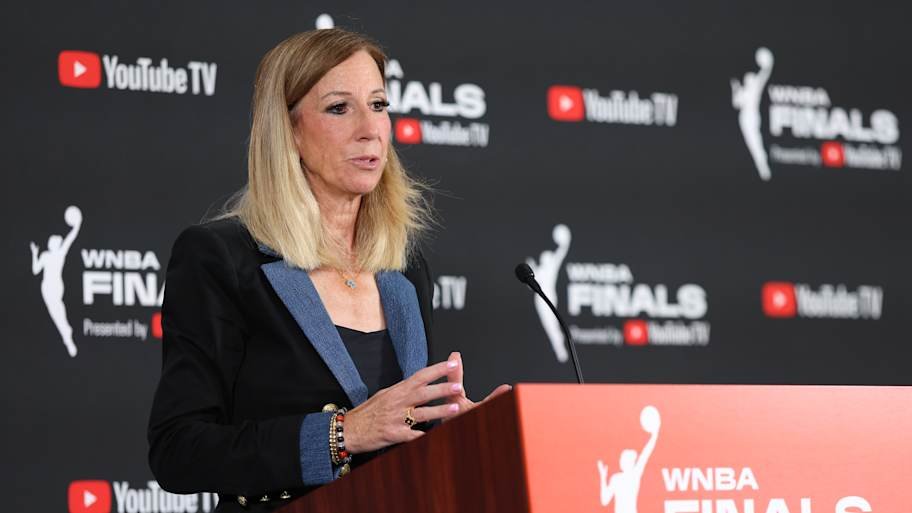
Today, the WNBA and players met in New York to discuss terms for the newest CBA, marking the first in-person meeting since the WNBA playoffs in September. The WNBA and the WNBPA have been engaged in “status quo” negotiations since Jan. 9, when a deadline passed with no deal reached. Under “status quo” conditions, both sides are expected to bargain in good faith.
According to ESPN, the league has not responded to the most recent player proposal on the grounds that it is too similar to the players’ previous propositions. Instead, the league suggested that it is waiting for players to submit something more reasonable.
Advertisement
The biggest point of contention between ownership and players continues to be revenue sharing. The WNBA’s most recent proposal allotted players 70 percent of net revenue (revenue after costs are covered). Players had previously asked for 30 percent of gross revenue (revenue before costs are covered), which the league claimed would lead to $700 million in losses over the course of the deal. Players have disputed this number and expressed broader concern with the league’s insistence on net revenue, arguing that it is inequitable.
A work stoppage would take a serious toll on WNBA ownership, arguably more so than its players. The presence of offseason leagues, most notably Unrivaled, offer players lucrative salaries, competitive games, and access to top-notch athletic facilities, all of which aid players in waiting out the WNBA in the event of a lockout (league-initiated) or strike (player-initiated).
Today is a test of how seriously the WNBA is taking the possibility of a strike
In one scenario, the league comes prepared with a concrete counter-proposal rather than restating their initial position. They are transparent about how the player proposal, and their latest proposal, impact the long term financial stability of the league. A negotiating schedule is agreed to that ideally produces a deal in time for the expansion draft and free-agency period to play out before the season begins.
Advertisement
In another scenario, the meeting reestablishes in-person negotiation as the norm but it is more procedural than it is substantive. The league is cordial at the meeting, bargains in “good faith,” but does not bring anything new to the table. Instead, they double down on their negative characterization of the latest player proposal.
If the latter occurs, players are left with a strategic choice: continue to negotiate in hopes that time will force compromise, or escalate with a strike.
If players choose to initiate a strike, the league will likely shoulder most of the immediate repercussions- things like scheduling uncertainty, broadcasting complications, and a decline in fan engagement. Meanwhile, players will continue to play in their offseason leagues and face no immediate consequences. Striking out of season means added pressure without the financial downsides of canceled games.
If players chose not to strike, they might shift public opinion further in their favor, marketing themselves as “good faith” negotiators while allowing the season countdown and public opinion to pressure the league into conceding. Waiting also means more time for offseason leagues like Unrivaled to strategize how to extend their seasons and for the list of Player Hubs to continue to grow.
Advertisement
With less than 100 days remaining until the start of the WNBA season, time on the shot clock is running out.
More WNBA news and analysis:
This article was originally published on www.fansided.com as The WNBA and its players are back at the bargaining table with a strike looming.

