World Aquatics, IOC Approve 2028 Olympic Diving Qualification Pathway
The International Olympic Committee this week approved the diving qualification pathway at the 2028 Olympics in Los Angeles.
The process was developed via collaboration from the IOC Sports Department, World Aquatics’ technical diving committee and the larger World Aquatics Bureau and stakeholders in the process. It’s the latest qualification pathway to be approved by IOC at meetings ahead of the opening of the 2026 Winter Olympics in Milan Cortina.
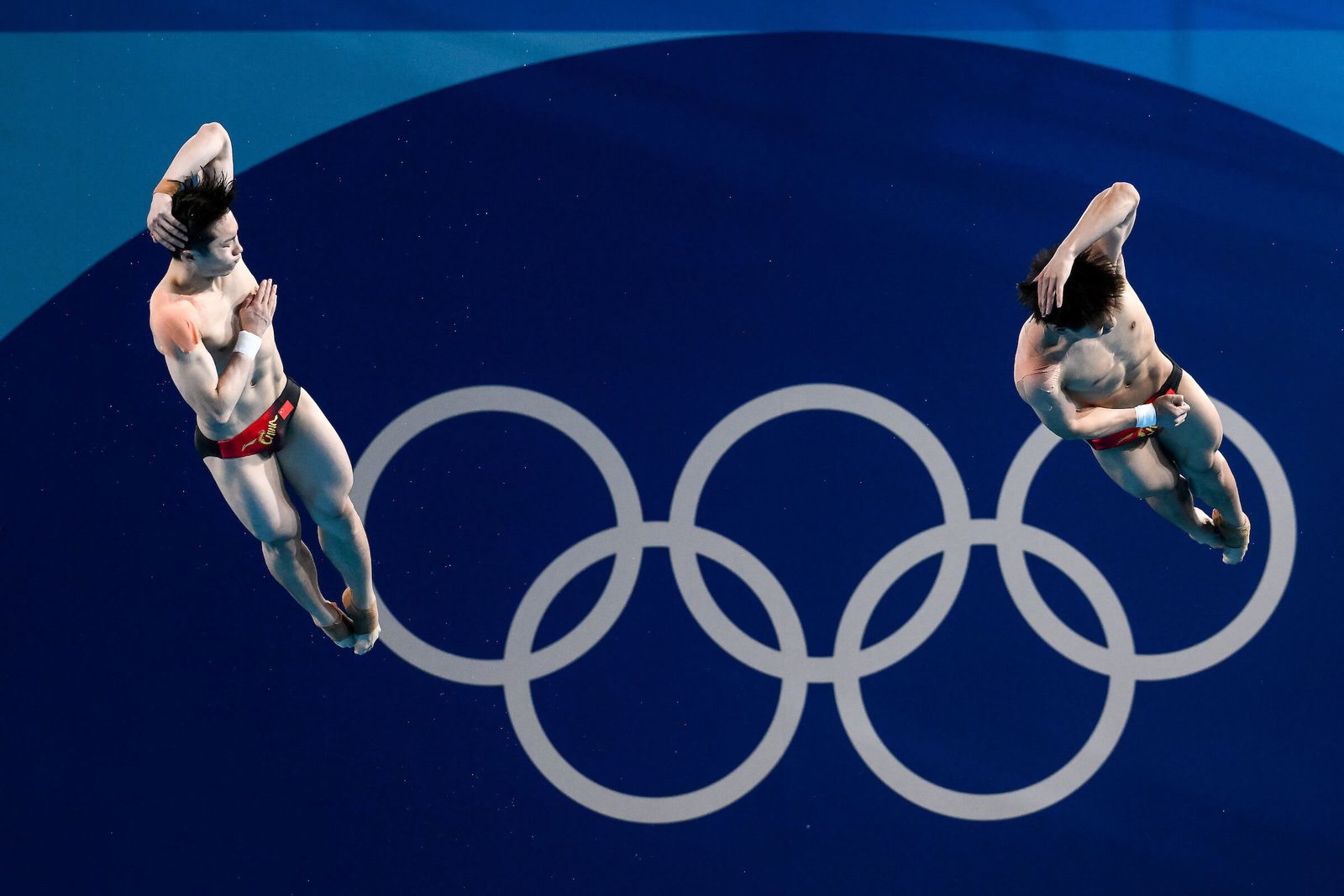
The process maintains many of the same procedures as in the past. Diving competition will continue to comprise eight events: Four on 3-meter springboard (men’s, women’s, men’s synchro, women’s synchro) and four on 10-meter platform ((men’s, women’s, men’s synchro, women’s synchro).
Diving has a quota of 136 athletes. As the host country, the U.S. receives quota places for the four synchro events as the host nation.
Qualification will begin at the 2027 World Aquatics Championships in 2027. They will comprise continental competitions that year and conclude in the first two World Aquatics Diving World Cup stops in 2028, at locations and dates to be determined. The World Cup stops will be used to determine all synchro team spots and be an additional qualification opportunity for individuals.
Diving will take place at the Rose Bowl Aquatics Center in Pasadena on Days 3-14 of the 2028 Olympics. Individual events will run July 16-22, with July 25-28 hosting synchro events.
“Finalizing the Qualification System for diving is another milestone on the road to LA28. While the athlete quota for diving has stayed the same over recent Olympic cycles, more National Olympic Committees now participate,” World Aquatics president Husain Al Musallam said in a press release. “Our responsibility is always to create a clear, fair qualification pathway for all athletes. This work required careful consideration and collaboration with the IOC and the global aquatics community, and I am pleased with the balance we have achieved.”

