Teams in the NFL can often have a strange relationship with geography when it comes to where they play their home games.
The Dallas Cowboys, for example, have not actually played in Dallas since leaving the Cotton Bowl in 1970. The San Francisco 49ers play their home games at Levi’s Stadium in Santa Clara, Calif., which is 52 miles away. And despite having New York in their names, the Giants have not played a home game in New York City since 1976, with the Jets last playing in the city in 1983.
Advertisement
The Cleveland Browns will join that list in 2029, when the team relocates approximately 14 miles southwest to the suburb of Brook Park to play in an enclosed stadium with a surrounding entertainment district.
While there has been a considerable amount of anguish and several unsuccessful lawsuits to stop the move, the lure of adding even more money to the bottom line of what is already the 28th most valuable franchise in the world, at an estimated $6.4 billion, is something that owners Jimmy and Dee Haslam simply could not pass up.
There will continue to be plenty of talk about all the jobs the move will create, along with all the exciting big events that will now be fighting among themselves to come to Northeast Ohio. Concerts, which already take place, or college basketball tournaments, which are also already available, and, of course, the biggest of them all, a Super Bowl.
A similar situation is currently playing out in Chicago, where the Bears are working to move out of the city that they have called home since 1921, heading either to the suburbs or Arlington Heights or possibly 20 miles across the state line to Hammond, Ind.
Advertisement
Jon Greenberg at The Athletic wrote an article this week about what is going on with the Bears, and he highlighted two aspects that resonate in Cleveland.
The first is that both proposed sites lack the atmosphere and vibe of playing in a downtown location. Nothing against Brook Park, but the views from the Browns’ new stadium are going to include Cleveland Hopkins International Airport, the soon-to-be-vacant I-X Center, and various industrial businesses.
Not exactly the glamour shot that makes a visit from the blimp on game days all that exciting.
But, as Greenberg points out, owners are willing to sacrifice all that in the chase for even more money:
And here’s where you should pay attention. This isn’t about a domed stadium. It’s about what surrounds it. (An) NFL team doesn’t need a new stadium to be profitable. For the owners to make big money, they need ancillary revenue.
That’s the play here. And that’s how a private business worth $9 billion can get public money, because it’s also promising economic growth. An NFL team plays only two handfuls of home games. There aren’t that many big concerts, wrestling events, or soccer games to go around. Over the past few decades, pro sports teams have received public funding by promising to generate revenue for struggling downtowns. Now, the play is creating a zone of retail, housing, and entertainment where the team is the landlord and business partner.
The NFL will very likely award the Haslams with one Super Bowl to show its appreciation for getting a new stadium built. But how often will they really want to return to the Cleveland area in February, when the weather can make it unpleasant to be outside? And with the development around the stadium designed to keep everyone within its confines, how many people who come to the game will actually experience all that much of what Northeast Ohio has to offer?
As for the other big events, they are already coming to the area, so it is really just moving money from one part of the county to another.
Advertisement
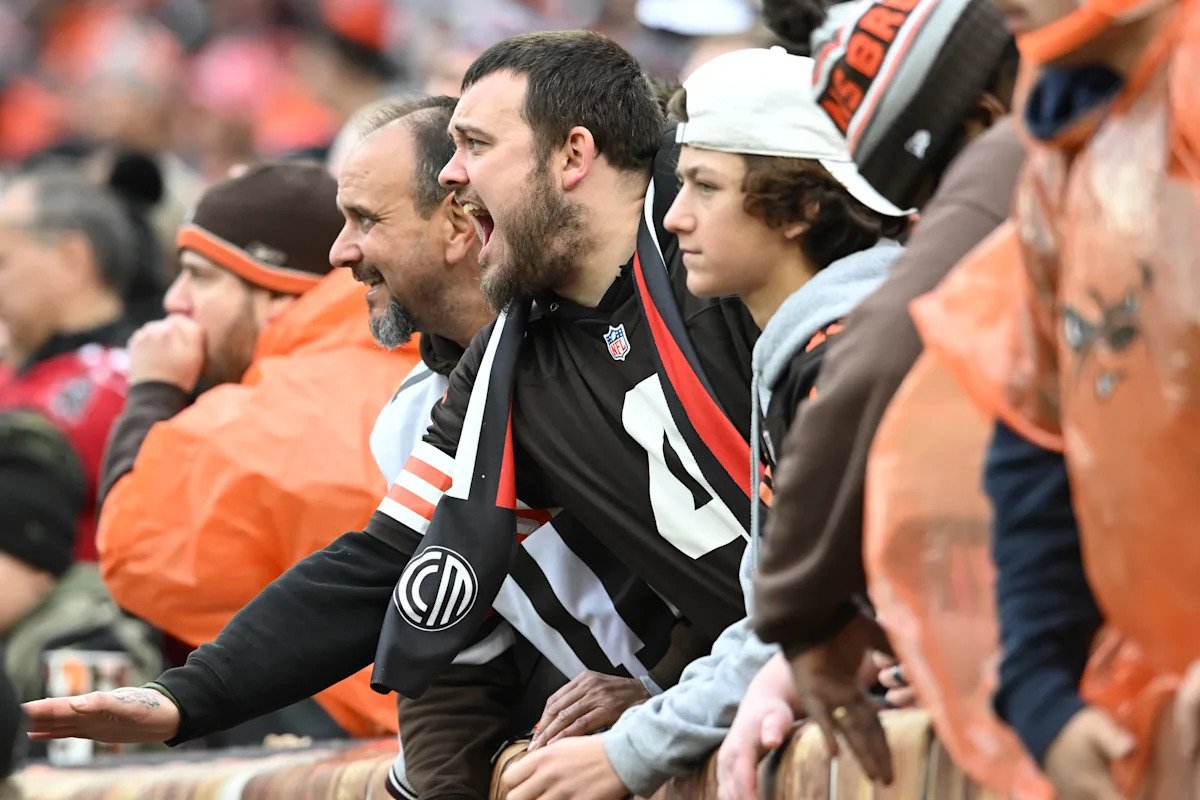
At the end of the day, the Browns’ move to Brook Park is a reflection of how professional football works today: teams chase revenue, stadiums are designed as entertainment destinations, and downtown atmospheres are increasingly secondary. Fans will still show up, hoping to see victories and feel part of something bigger, even if the skyline has changed.
For the Haslams, the bottom line matters most; for Clevelanders, it’s the love of the game that endures. The Browns may leave downtown Cleveland, but the passion of the fans remains, a reminder that football isn’t just about where it’s played, but why we care so much when it is.

