Manufactured outrage will have to serve as the theme for what had been the most hotly anticipated game of the season.
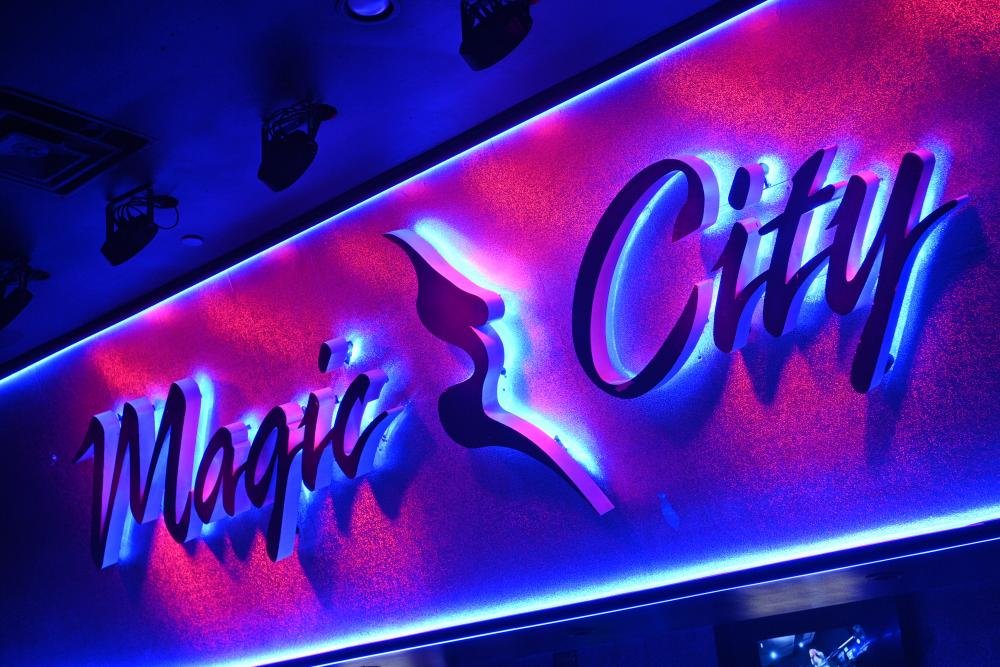
For those who may have missed it: last month the Atlanta Hawks announced plans for a 16 March promotional event called Magic City Night. The name wasn’t just a nod to that evening’s opponent, the Orlando Magic; it was meant to honor the civic institution in the shadow of the Hawks’ arena – Magic City, America’s most famous strip club.
Advertisement
The program for Magic City Night was straightforward: a live podcast featuring Magic City founder Michael Barney and Hawks owner Jami Gertz (who co-produced a recent Starz docuseries on the club), a halftime performance from homegrown Grammy-winning rapper TI, Magic City-themed hoodies at the merch stands and unfettered access to the club’s signature dish: lemon pepper wings. What it would notably not contain was any actual exotic dancers or adult entertainment.
Related: Bam Adebayo just scored 83 points in a game. Was it down to brilliance or stat padding?
The Hawks, near the bottom in NBA attendance again this year, reportedly sold 2,000 tickets in the first 24 hours of the announcement. Magic City Monday promised to be a good time, a real happening, a scene approaching the standard fare at NBA games in New York and Los Angeles. “Somebody said Atlanta teams don’t care about winning or losing as long as it feels like you were at the club,” one fan quipped on social media, capturing the mix of pride and ironic detachment that defines the local fanbase. But then, inevitably, the outsiders started rolling in to spoil the party.
A week after the reveal, San Antonio Spurs center Luke Kornet published a 300-word letter urging the Hawks to scrap the promotion, citing concern over the league’s complicity in “the potential objectification and mistreatment of women in our society”. He was swiftly swiftly backed by five-time All-Star Al Horford, who spent the first nine of his 19 pro seasons with the Hawks. Kornet’s treatise touched off a raging debate in a sports media ecosystem that has little experience wrestling with the ethics of sex work or confronting the league’s long-overlooked culture of sexualized spectacle – and that was all the backlash Adam Silver needed to hear.
Advertisement
On Monday, Silver said he was canceling Magic City Night in response to “significant concerns from fans, partners and employees.” In a follow-up statement, the Hawks said they reluctantly respected the decision, canceling everything except the wings and TI’s halftime set. (Fret not: the wings are still on.) In the end, Silver’s decision showed a willful misunderstanding of the Black culture that his league mined for lucre and clout. And for local fans who had marked the date since the team announced Magic City Monday, it’s more than a massive upset. It’s yet another reminder of Martin Luther King’s “Two Americas”, with Atlanta still residing in the one that seems inconceivable from the outside.
Of course, there are very real issues around how women are sexualized in US society. And, in another town, a strip club is the blight on the landscape where supposed men of virtue go to indulge deeply suppressed appetites for vice. In Atlanta, however, it’s the town square, a place for work powwows, first dates, an on-ramp to Black entrepreneurship. Magic City is the bellwether name-checked from Jermaine Dupri to the Migos, a full-service cultural pit stop.
A former telecom professional, Barney set out to create a classier, more professional environment that would appeal to customers – male and female – and the dancers to boot. Relatively quickly, Magic City grew from a one-dancer venue launched in a defunct print shop to the hotspot where Atlanta’s business and entertainment heavyweights rubbed shoulders with hustlers and drug dealers – everyone meeting as equals. Stacey Abrams pulled up (on video, but nevertheless) during her 2022 gubernatorial campaign, reflecting the club’s role as a community nexus where even politics intersects.
TI, Lil Jon and Future are just a few of the local artists who got their start at Magic City – which is why the Hawks can so easily book acts to provide entertainment that would headline world tours at other NBA arenas. Early visits from Atlanta sports legends like Deion Sanders and Dominique Wilkins helped cement Magic City’s reputation as a must-visit destination for professional athletes. Famously, in 2020, Los Angeles Clippers guard Lou Williams lobbied for a brief exemption from the NBA’s Covid bubble in Orlando to attend a funeral in Atlanta – but stopped at Magic City on the way, resulting in a 10-day quarantine that cost him two games. Williams said it was his love for the club’s lemon pepper wings that led him to violate NBA rules. Ever since, he’s been known by a single handle: Lemon Pepper Lou.
Advertisement
Magic City elevated adult entertainment, turning it into something the masses could consume without shame or even blinking. Pole dancing never becomes staples of suburban momcore without Magic City’s Black dancers turning strip teases into feats of athleticism and acrobatic wonder with bodies that defied traditional beauty standards. That there were actually people who feared the prospect of the nation’s children seeing strippers rappel from the State Farm rafters, or otherwise “perform” during Magic City Night – which, again, was never on the cards – is laughable. Clearly, these haters have never watched an NBA game.
And we should remember that the NBA already revels in sex nearly as much as it does basketball. Over the past five decades, cheerleading has graduated from Laker Girls to play stoppages filled with twerking and other moves cribbed from the strip club. The All-Star Game has long been a major driver of the local sex economy, not least the corners where exploitation and trafficking risks loom, even as the spectacle rakes in millions. Those persistent rumors about players “flying out” Instagram models for casual hookups? Fans giggle and shrug, then move on to the highlights. Jokes about Zion Williamson’s alleged dalliances with adult-film stars and OnlyFans creators are a staple of NBA fans’ social media. If Kornet and his puritanical lot were truly serious about the league’s “risks” of perverting young minds, they could start with this list.
Never mind the league cozying up to the gambling industry even as the feds arrest high-profile players and coaches over allegations of manipulating games, or glossing over the Clippers’ reported attempts to subvert the salary cap. The NBA can’t even get its players to show up to work every night. Stars like Steph Curry and Kevin Durant have gone from leading the league’s progressive activism to quietly cashing in on military-linked companies while staying silent on conflicts in the Middle East. Karl Malone, who impregnated a 13-year-old while he was in college, remains a venerated figure. But bring a G-rated version of the strip club to a Hawks game? No, the league can’t have that. Imagine how that would look.
For decades, the NBA prided itself on the consistency of its principles; the league would no more tolerate a referee who fixed games than a player who forgot to tuck in his shirt. But those days are gone. Now the record shows it: on the one hand, the NBA is happy to sell fans sex and Black culture. On the other, when the Hawks dared to celebrate the mutually transformative relationship between strip club culture and Atlanta, Silver put his foot down – and promptly tripped over it, proving once again that the league’s priorities are utterly and spectacularly upside down. In its own way, his gaffe is a fitting tribute to a pole dance that never would’ve happened, yet came to represent what the league clearly dreads most: fun.

