The conversations around the WNBA have, for most of its existence, been about what it doesn’t have.
No dunking, no media attention, no booming attendance numbers. No charter flights or five-star hotel stays. Even in some instances, no actual arena in which to play.
Advertisement
The salary numbers were laughable. Many entry-level corporate jobs paid more than a generational talent the likes of Caitlin Clark earned when she went pro. The team staff were miniscule. Adding a third assistant coach, as long as someone on the staff had formerly played, was a massive deal in 2020.
The tentative collective bargaining agreement (CBA) announced by the WNBA and WNBA Players Association on Friday rectifies all of that. It carries the league into a completely new era, backing up what WNBPA president Nneka Ogwumike said earlier in the week when the sides came to a verbal agreement.
“I’m really excited about players coming into this league for the first time, and not having a sense of lack,” Ogwumike told the four reporters on site all week, waiting out eight days and more than 100 hours of negotiations in midtown Manhattan.
Or, in other words, she’s excited to no longer be talking about what they don’t have.
The CBA negotiations centered around the revenue-sharing structure, and the players succeeded by negotiating the first “comprehensive” rev-share model in women’s professional sports history, per the joint release. The average rev share is around 20% of gross revenue across the length of the deal, a source confirmed to Yahoo Sports.
Advertisement
The race is on when the free-agency signing period opens next month for the official announcement of the league’s first million-dollar player. The supermax is $1.4 million, inclusive of a base guarantee salary plus the revenue-share payout, a source confirmed. The revenue-share portion does count against the $7 million salary cap, nearly five times what it was last season.
Deal-to-deal comparisons are mind-boggling. The lowest-paid full-season player will make $270,000 in 2026 — more than $20K more than last year’s supermax number. To be clearer: an end-of-bench 12th player will make more than the Fever’s Kelsey Mitchell made in 2025.
The WNBA champions this autumn will net $60,000 per player for the victory, a bonus that nearly equaled last year’s $66,000 minimum for players with less than three years of experience. All of the performance and award bonuses saw sharp increases, a direct response to cringy headlines like that of an outside entity stepping in to pay 21 times the previous All-Star winner payouts.
But there is so much more beyond the gaudy numbers of this deal that professionalizes a league accustomed to being left behind or flat-out ignored.
Advertisement
When the UConn Huskies pantheon entered the WNBA throughout the past few decades, they took massive steps down from the luxurious life of charter flights, marketing, meals and departmental support. Same for a star like Tennessee’s Candace Parker, whose statement that she never had her own locker as a pro until finishing her career in Las Vegas sent waves around the sports world.
It wasn’t surprising. Nor was it that MVP candidate Alyssa Thomas left Connecticut, a longtime “have not” in the league, for the newly crowned king of “haves” in Phoenix a year ago, with their state-of-the-art practice facility glistening in the desert sun. No longer would practice be cut short for a child’s birthday party taking up the other half of the community gymnasium.
The facility arms race that enveloped the league since Aces team owner Mark Davis came in with his CBA loopholes blazing is now an official requirement. The CBA will include “new facility standards requiring teams to provide enhanced training and treatment resources.” Most teams are well on their way to opening them anyway; now there is no way around it, even if they didn’t want to. Or if they feel they can’t.
Teams will now be required to meet certain staffing levels, including “access to additional physicians, athletic trainers, strength and conditioning coaches, physical and massage therapists, and nutritionists.” They must carry a full 12-person roster, instead of carrying 11 to finagle a larger number of higher salaries under the cap.
Advertisement
No cutting corners here to make do.
There will also be two developmental roster spots per team that do not count against the salary cap. It’s not quite the roster expansion players have clamored for, but it is an initial answer to it that can be built upon.
And front offices can apply for a season-ending injury exception that will allow them additional salary-cap flexibility to replace injured players. The 2025 Indiana Fever, while a special story, should never have gone through what they did with their revolving door of hardship contracts.
As Breanna Stewart told Yahoo Sports’ Hoops 360 this week, it’s wild to remember the league is no longer the 144. It’s going to be close to 210 players, another number to celebrate with 15 teams playing in 2026. Three more are coming.
Advertisement
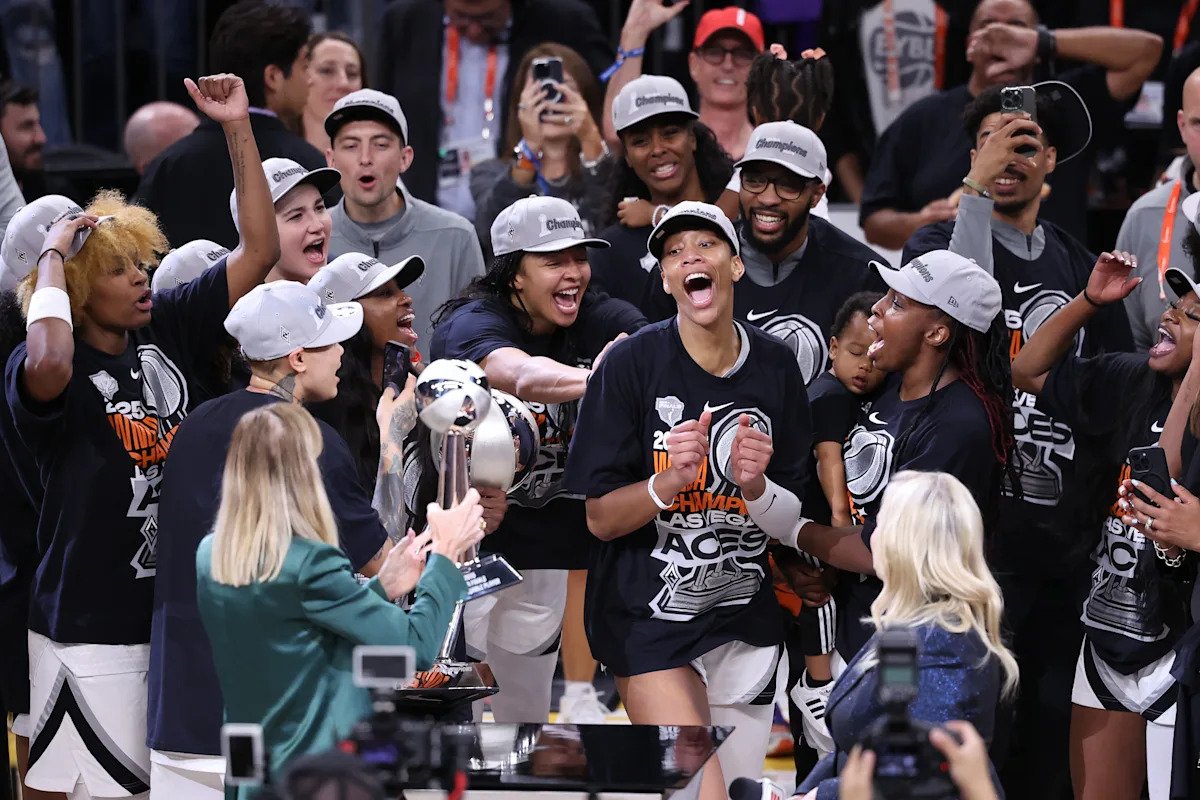
The deal forces every one of those teams to care for their players in every physical and mental facet. That’s what it takes to win — look no further than the Aces’ dynasty — and it’s what it takes to run a league rising beyond a meager little sister beginning.
To have a professional sports team is to run it like one, and the “have-nots” will soon be the ones speaking about what they have.

