We are living through the WNBA’s golden age. Not only because of the talent we see night in and night out, but because the league continues to break new ground when it comes to the business side of the game.
As the threat of a lockout season loomed large, the WNBA and the WNBPA agreed to a historic seven-year Collective Bargaining Agreement (CBA). This came after the original October 31 deadline was pushed back several times, as the players fought for a substantial increase in the revenue-sharing percentage, along with other salary increases, perks, and protections.
Advertisement
The new CBA sees a significant increase on the financial side of the equation. The salary cap has increased from $1.5 million to $7 million. Revenue sharing is nearly 20%. Supermax deals will start at $1.4 million. And the minimum salary will double from $300,000 to roughly $600,000.
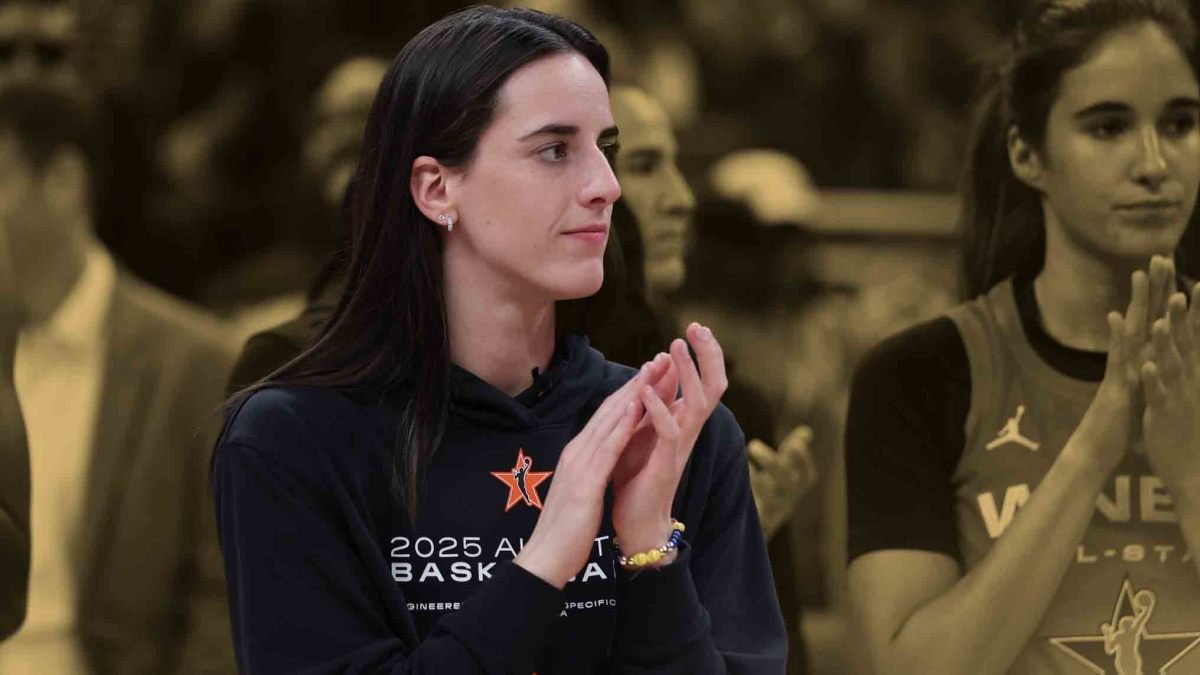
These numbers are good news for the average WNBA player, but for the superstars, the larger piece of the pie is especially intriguing. For arguably the league’s biggest star, Caitlin Clark, her playing salary could jump over a whopping 500%. Under the new agreement, Clark could see her WNBA salary skyrocket from $78,000 to $530,000. Then, she could sign a supermax deal worth $1.7 million in 2028.
Advertisement
An evolving league
The new CBA is a groundbreaking milestone for women’s basketball, not just in America, but around the world. With the league and its players drawing a line in the sand and agreeing to a record-setting deal, the door has opened for all parties involved.
The WNBA has never had more household names, and the timing is perfect for this landmark. In fact, this is the first comprehensive revenue-sharing model in the history of women’s professional sports.
Advertisement
In addition to the numbers, there are protections in place for teams wanting to trade a pregnant player, league-provided housing available for all players from 2026 to 2028, league-wide charter air travel, and winnings from team and individual awards.
Clark wins either way
Now, in all fairness, as we’ve mentioned, Clark does massively benefit from this new deal; it’s important to point out that she is probably going to win out either way.
When considering that the Indiana star racked in a mind-blowing $16 million on endorsements alone in 2025, comparatively, any significant rise in WNBA salary still isn’t going to come close to those earnings. What’s incredible is that Clark is just 24 years old with all her earning potential still ahead of her.
Advertisement
Given the endorsements are only going to grow, the WNBA salary is only going to continue to rise with TV deals and new CBA agreements, and Clark could realistically retire as the richest player in league history.
New CBA is changing everything
This is where the new CBA really changes the conversation. For years, even the biggest WNBA stars had to rely on playing stints overseas to maximize their income. Now, those days are well and truly gone. The league is finally at a place where players can be compensated for their value, and for someone like Clark, who is already moving the needle in viewership, interest, ticket sales, and global attention – this is just the beginning.
Advertisement
Because, unlike others in the league, Clark isn’t just benefiting from the new CBA – she was a pioneer in driving it. We have officially entered a new era, one where this isn’t just about higher salaries, it’s about players like Clark finally being paid for the superstars they are.
This story was originally published by Basketball Network on Mar 22, 2026, where it first appeared in the WNBA section. Add Basketball Network as a Preferred Source by clicking here.

