Building a stronger future for FIA Championships with updated regulations approved by the World Motor Sport Council
The Federation Internationale de l’Automobile (FIA), the global governing body for motor sport and the federation for mobility organisations worldwide, announces that the World Motor Sport Council has held its mid-2026 meeting during the FIA Conference in Macau today, 23 June. The global FIA community is gathered for a week of knowledge-sharing and collaboration, bringing best governance practices to Member Clubs and approving key regulations amid a landmark year for motor sport competition.
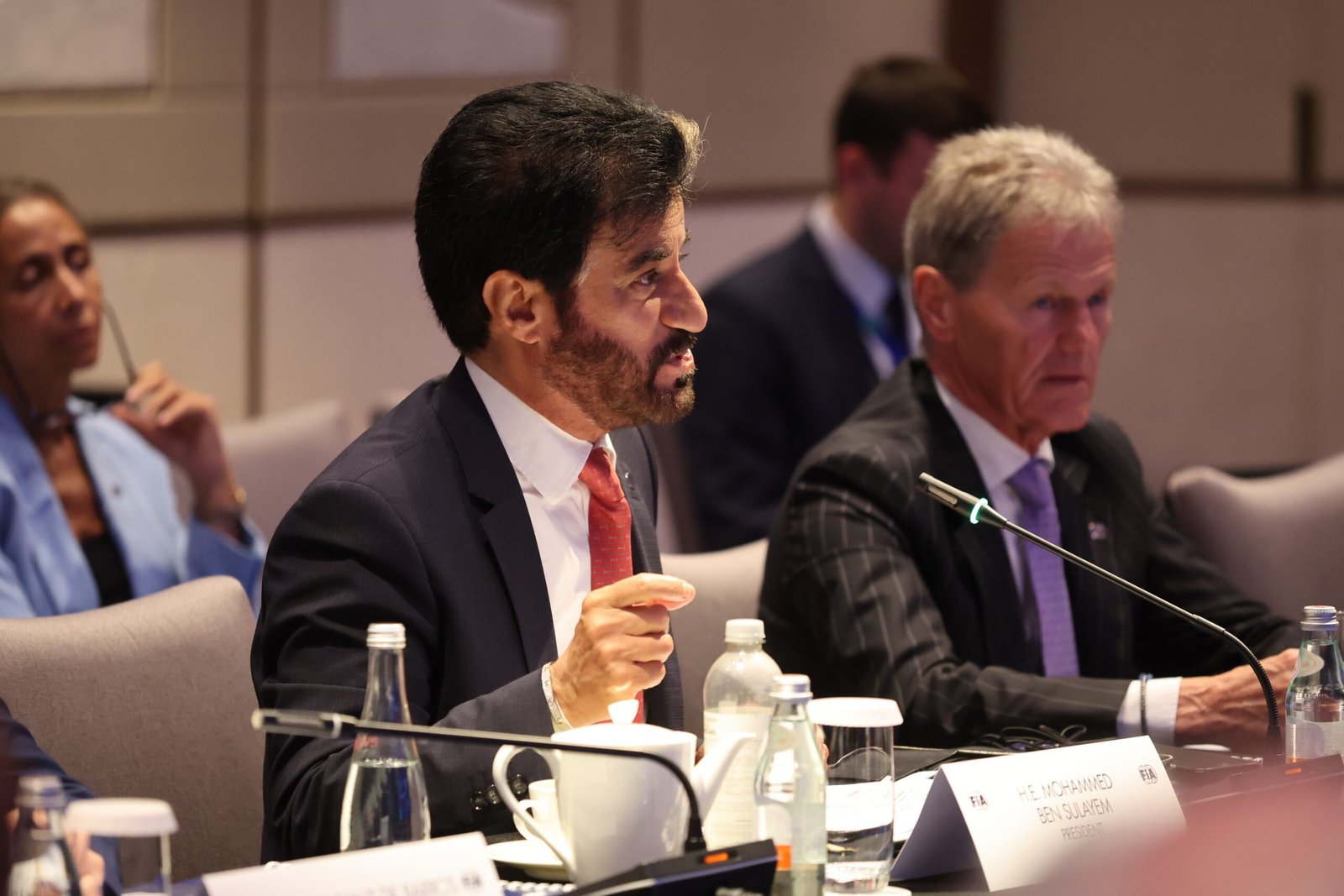
H.E. Mohammed Ben Sulayem, President of the FIA, opened the meeting by addressing the members on the major milestones already achieved in 2026, as well as those still to come.
The FIA President said: “The first half of 2026 has been characterised by progress. We have witnessed new race winners and emerging talent across our championships and celebrated iconic events including the Monaco Grand Prix and the 24 Hours of Le Mans, showcasing the very best of our sport to millions of fans globally. We continue to deliver on our commitment to create motorsport that is safe, exciting, sustainable and accessible. These achievements are only possible because of the efforts of this World Motor Sport Council, our Members, and our entire FIA community.”
The recent conclusion of a candidate event for the potential return of the FIA World Rally Championship to the United States, together with the upcoming change in promoter for the WRC and recent announcements of an expanded FIA World Endurance Championship calendar and the future direction of the Hypercar regulations, are indicative of the FIA’s ongoing work across its global championships.
The FIA President concluded his opening address adding, “Together, these developments demonstrate that this is a pivotal moment for the FIA’s global championships. We are growing, expanding into new markets, attracting new audiences and we are creating stronger foundations for the future.”
–
The following is a summary of decisions taken at today’s World Motor Sport Council meeting in Macau:
Brands Hatch, Circuit of The Americas and Zandvoort join Formula E calendar as updates to the sporting format approved
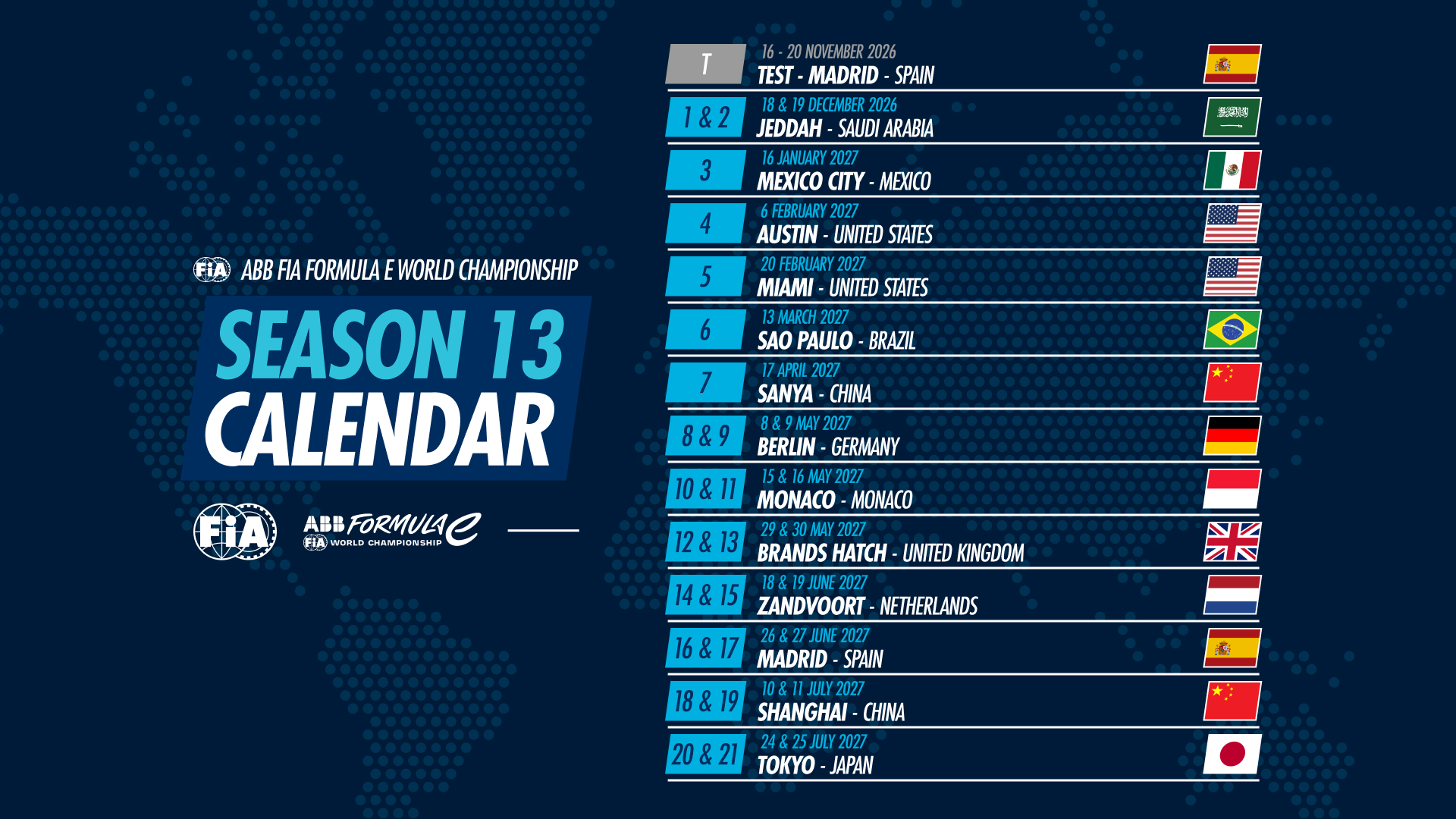
The ABB FIA Formula E World Championship calendar approved today by the World Motor Sport Council comprises a record-breaking 21 races across 13 global cities, featuring a mixture of street circuits and a number of new permanent circuits, preserving the fundamental DNA of the championship whilst embracing the new levels of power and performance that arrive with the GEN4 car in December 2026.
GEN4 – Innovative sporting format for the most advanced Formula E car ever
A raft of significant updates to the ABB FIA Formula E World Championship Sporting Regulations were approved today by the World Motor Sport Council, adding to the excitement already building ahead of the introduction of the GEN4 car for the 2026-27 season. The regulations have been developed to maximise the capabilities of the new car, which will feature permanent all-wheel drive and two power levels: 450kW in Race Mode and 600kW in Attack Mode.
The 2026-27 season, which kicks off in December, will see the introduction of two different race formats on double-header race weekends:
-
An all-new, shorter Performance Race or E-PrixUnleashed, featuring high-downforce configuration without Pit Boost.
The aerodynamic configuration for each event will be confirmed 21 days before the race.
As part of the upcoming regulatory refinements, wet tyres will be introduced and may be used when the Race Director declares wet track conditions, while the all-weather tyre allocation remains unchanged.
Lastly, points will now be awarded in qualifying for both the Drivers’ and Teams’ World Championships:
- 1 point for reaching the Duels
- 1 point for each Duel won
- 1 additional point for winning the Final Duel (Pole Position)
The Formula E 2026-27 Regulations have been restructured for greater clarity, and now include the new General Provisions and a dedicated definitions appendix in addition to the existing Sporting, Technical and Financial Regulations.
–
WRC27 set for more competition at the top with Rally2 upgrade kit approved
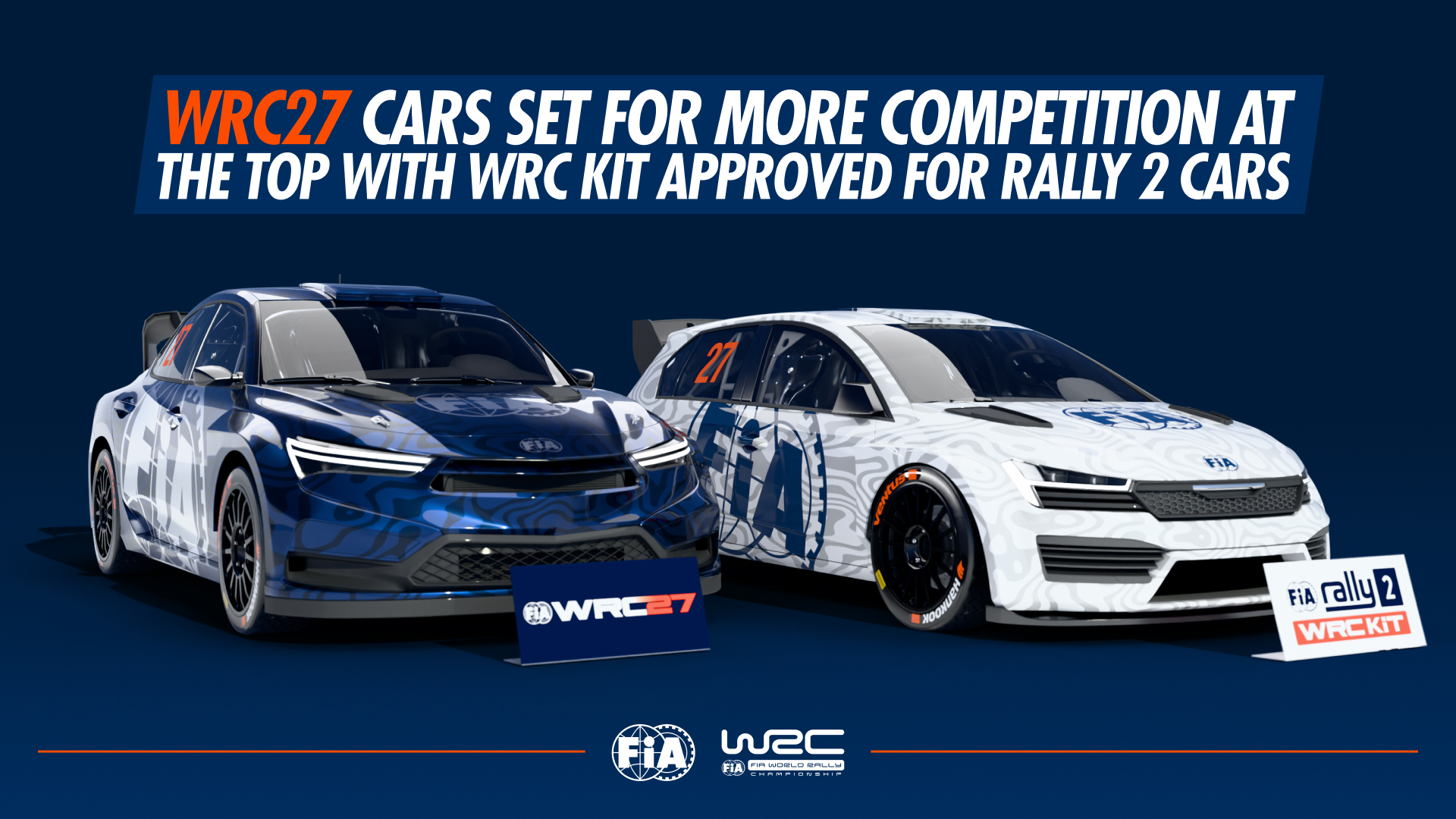 The World Motor Sport Council has approved the technical regulations that will form the basis of the FIA World Rally Championship’s top category from 2027, together with the homologation regulations allowing eligible Rally2 cars to compete in the championship’s premier category during the opening years of the championship’s new regulatory cycle. The objective of the new regulations is to increase the number of cars competing at the front of the field, providing a greater spectacle for rally fans as the WRC27 regulations are introduced.
The new regulations introduce a Rally2-WRC-Kit, which may be fitted to Rally2 cars homologated before 31 December 2026. These Rally2-WRC-Kit cars will only be eligible to compete alongside WRC27 cars in the FIA World Rally Championship during the 2027 and 2028 seasons.
The Rally2-WRC-Kit has been introduced to support greater aerodynamic parity between Rally2 cars and the new generation of WRC27 cars. The kit will comprise new homologated front fenders, a front bumper and a rear aerodynamic device, with a maximum cost of €7,500.
Homologation of the Rally2-WRC-Kit may only be carried out by a manufacturer registered for the FIA World Rally Championship as a constructor. During the first year of homologation, the Manufacturer must participate in 100 per cent of the events listed on the WRC calendar, with a minimum of two cars per rally.
The regulations also define the technical framework for Rally2-WRC-Kit cars, including a total weight of 1220kg. Each Rally2-WRC-Kit will be permitted one joker for bodywork parts homologated as part of the kit, with only one Rally2-WRC-Kit extension authorised per Rally2 homologation form during the 2027-2028 period.
Eligibility for Rally2-WRC-Kit cars in the FIA World Rally Championship’s top category will end on 31 December 2028, providing a defined two-year transition period as the WRC27 regulations are introduced.
The new framework is designed to strengthen competition in the championship’s top category during the opening years of the WRC27 cycle, allowing Rally2-WRC-Kit cars to compete alongside the new-generation WRC27 cars.
Malcolm Wilson OBE, FIA Deputy President for Sport, said: “More competition at the top level is the driving force behind everything we are doing with WRC27, and these changes approved today by the World Motor Sport Council will help us to deliver a greater spectacle for the fans over the next two years. By creating a pathway for eligible Rally2 cars to enter the top class, the regulations will support larger fields, increase competitive depth and help deliver a fantastic contest at the highest level of rallying.”
–
FIA Global Karting Plan continues to deliver more affordable motor sport with 2026 FIA Karting Arrive and Drive World Cup confirmed
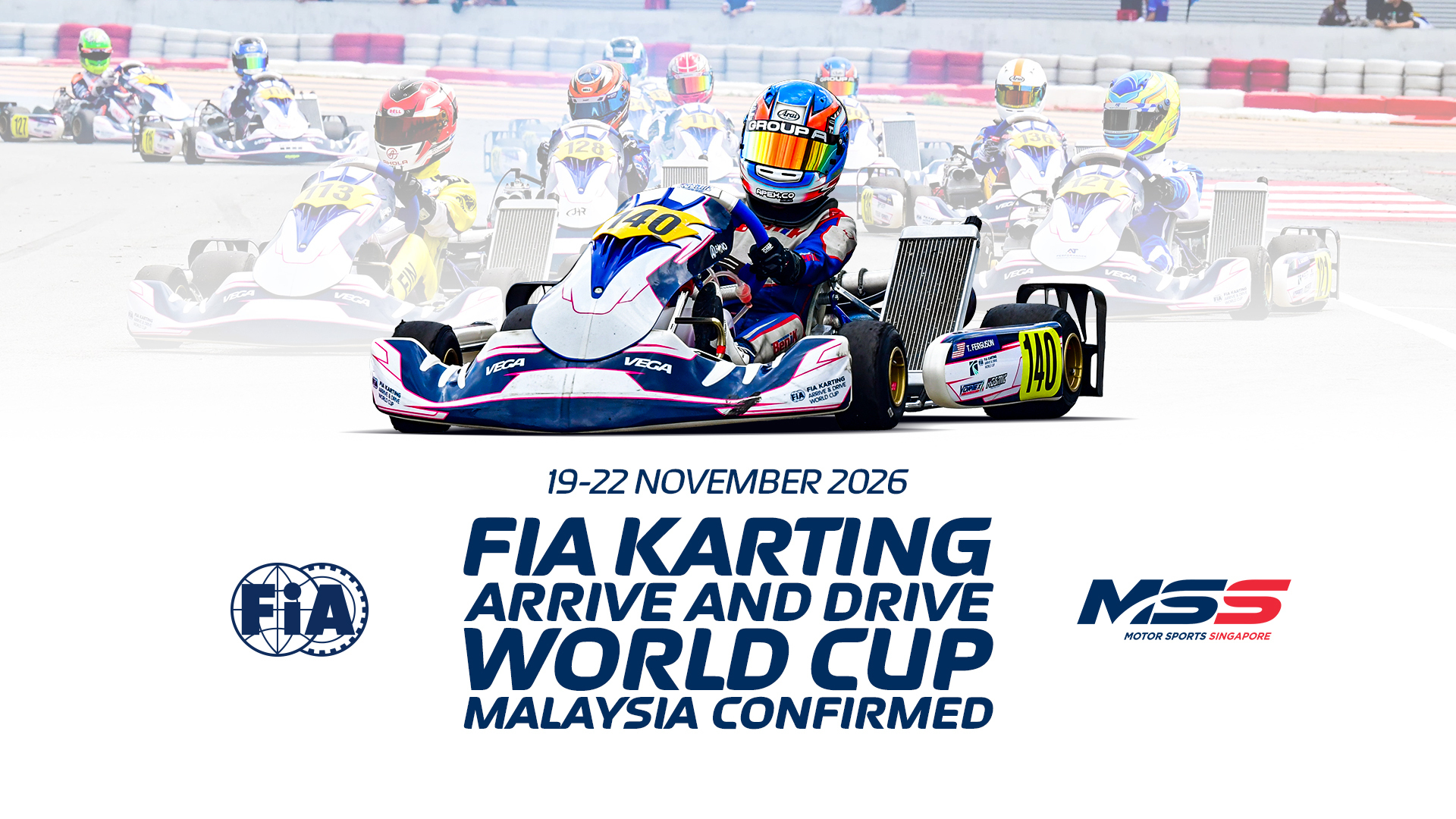 The second edition of the FIA Karting Arrive and Drive World Cup will be hosted by Motor Sports Singapore (MSS) and return to the LYL International Circuit in Malaysia from 19-22 November 2026.
The inaugural edition of the event in 2025 showcased the new era for FIA Karting, with over 100 drivers participating from 50 countries across every region. Cutting entry costs by up to two thirds compared to traditional international karting competitions, 91 per cent of drivers said the format makes it easier for them to compete. 15 girls also participated last year, the highest proportion of female participation in any FIA Karting event, reflecting the format’s potential to identify and support a new generation of rising motor sport stars.
This year began phase two of the rollout of the Global Karting Plan, which includes continental Arrive and Drive championships in Europe, Asia-Pacific and South America. These championships act as qualifying championships for the Arrive and Drive World Cup to diversify the pipeline of emerging motor sport talent and open new pathways into the sport by bringing the Arrive and Drive format closer to global communities.
The event will again feature a junior and senior category with OTK Group selected as the official kart supplier and Vega selected as the official tyre supplier.
–
FIA Esports expands further with new competition and Esports International Sporting Code
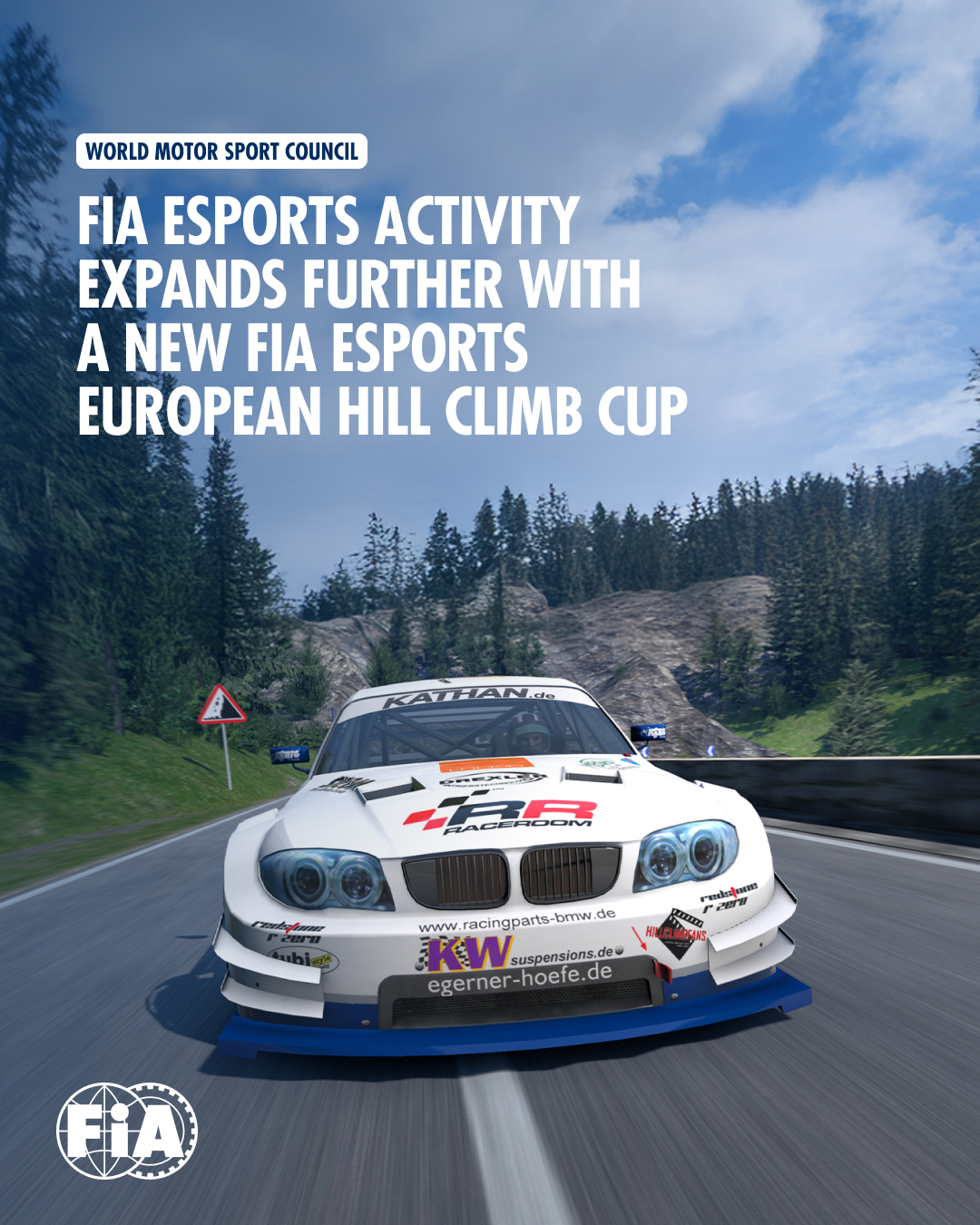 Following the recent creation of an FIA Esports Hill Climb project, the World Motor Sport Council today approved regulations for the FIA Esports European Hill Climb Cup, adding another significant growth area for this accessible category.
In collaboration with ACL Sport, this new Esports competition will be launched on the RaceRoom platform, featuring the iconic BMW 134 Judd V8 – driven by the legendary Georg Plasa in real-world Hill Climb events. The tournament will unfold in two high-stakes stages, beginning with an open online qualification from 20 August to 9 September on an existing RaceRoom Hill Climb track, where the eight fastest drivers will secure their place in the finals.
The action then moves onsite to Luxembourg from October 11-13 for stage two, where finalists will face the ultimate test of skill on a course on RaceRoom kept strictly under wraps until race day to ensure a level playing field.
The World Motor Sport Council has also approved the creation of a separate Esports Code to regulate FIA Esports Competitions. This now replaces Appendix E to the International Sporting Code, which was always intended to be a temporary appendix to manage ongoing Competitions while the separate Esports Code was developed.
–
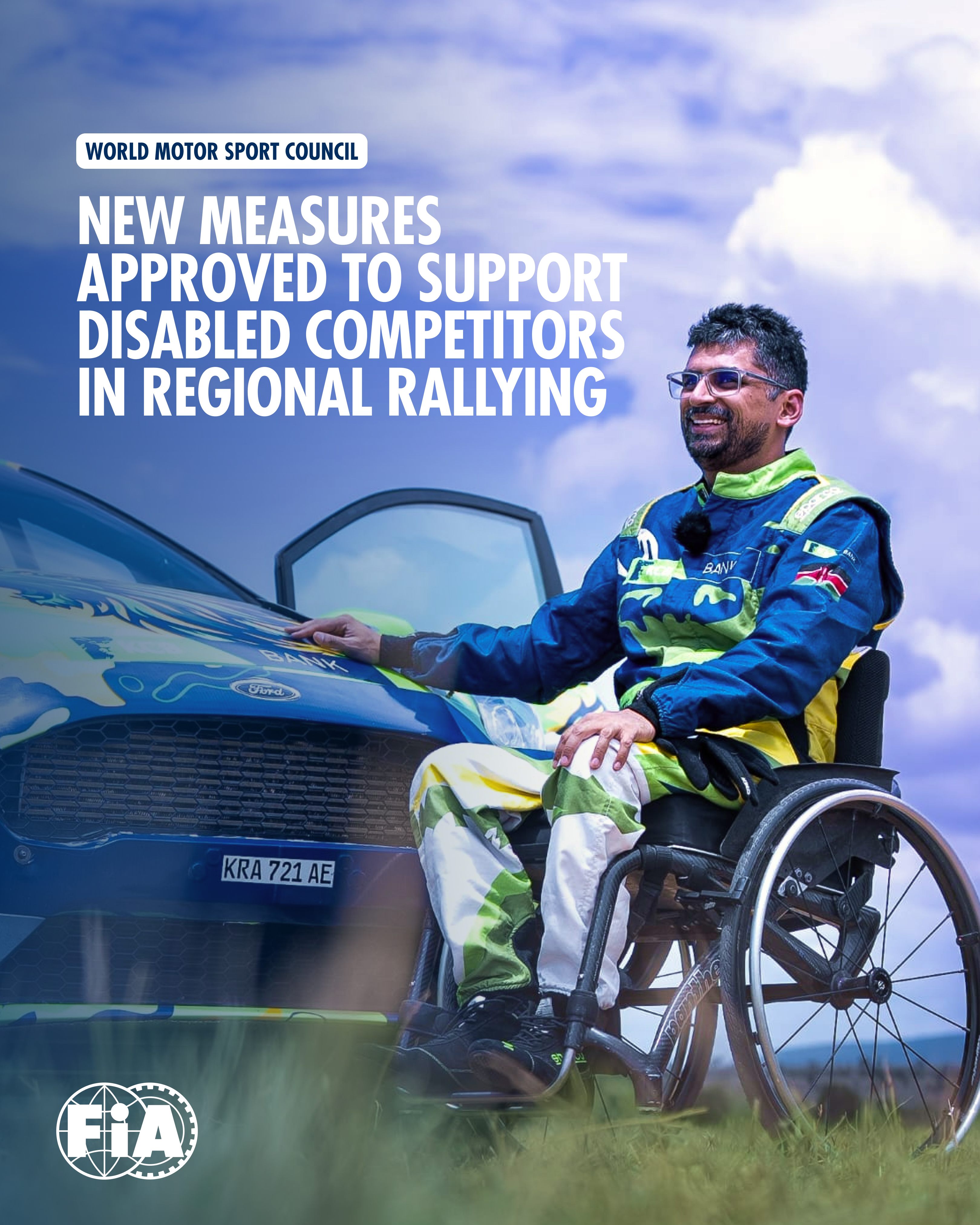 The FIA has introduced new provisions in the Regional Rally Sporting Regulations to improve accessibility for drivers and co-drivers with disabilities across regional rallying.
Under the new regulations, organisers may issue additional passes for up to two team members to access specific rally locations, including time controls, media zones and podium areas, where required to support the movement or handling of a wheelchair or medical equipment for a crew member with a disability.
The regulations also permit one team member to enter Parc Fermé to assist a crew member with mobility, or to support the handling of a wheelchair or medical equipment. In addition, one team member may replace a crew member with a disability for the purpose of carrying out service operations.
Organisers will also be required to take accessibility requirements into account when planning event infrastructure, including Rally HQ, service parks and podium areas.
Together, the new provisions are designed to better support competitors with disabilities and increase accessibility across all aspects of regional rallying.
–
FIA Historic Motor Sport Commission unveils Historic Roadmap to strengthen period compliance through 2030
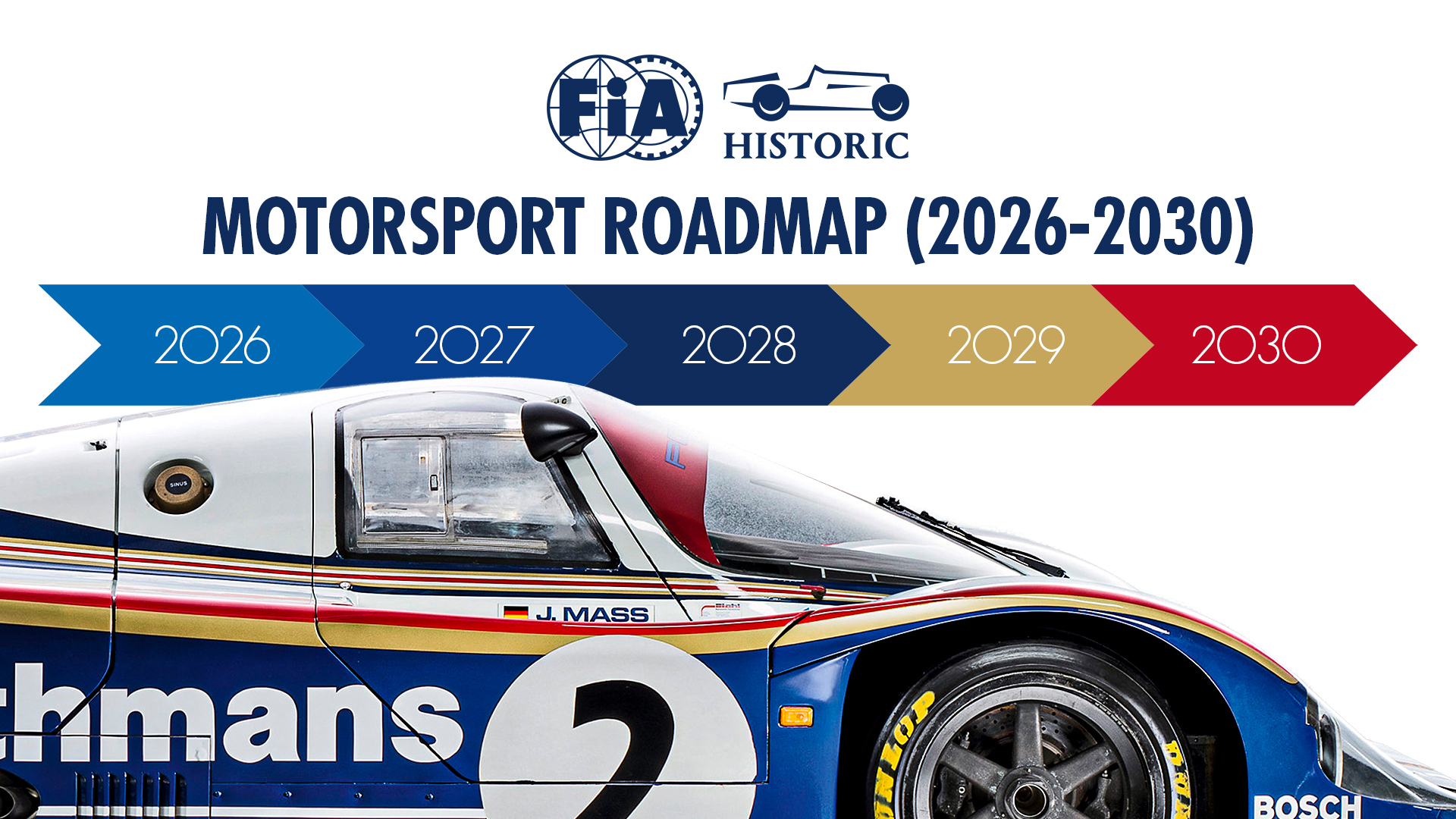
The FIA has unveiled a new Historic Motor Sport Roadmap, outlining a phased approach to period compliance scrutineering from 2026 through to 2030. The initiative is designed to strengthen consistency, fairness and credibility across historic motor sport, through a harmonised framework for eligibility control and compliance monitoring.
The roadmap includes the publication of specification guidance, the recruitment and training of FIA Eligibility Delegates, as well as enhanced support for organisers and competitors. A dedicated education and observation phase will follow before progressively introducing compliance monitoring, reporting and enforcement measures.
By 2030, the framework will be fully activated, with the implementation of enforcement mechanisms designed to ensure long-term adherence to period-correct specifications. The roadmap forms part of the FIA’s ongoing commitment to preserving the authenticity and integrity of historic competition for future generations.
–
Regulatory Updates
FIA Formula One World Championship
H.E. Mohammed Ben Sulayem, President of the FIA, remarked on the collaborative approach between all of the major stakeholders in the FIA Formula One World Championship since the start of the 2026 season and the introduction of the major regulatory changes.
The FIA President said: “The FIA continues to oversee the evolution of the 2026 Regulations and work closely with all key stakeholders across the motorsport community.
“As with every major regulatory change, the process does not end when the cars first take to the track. Continuous dialogue and collaboration are essential to ensuring that the regulations meet the needs of the sport, its drivers, and its fans. Together we are exploring the future direction of the championship and considering how the sport can balance innovation, sustainability, performance and fan appeal in the years ahead.
“The discussions around future power unit concepts, including V8 engines powered by sustainable fuels, demonstrate the willingness of all parties to engage in shaping the next chapter of the sport.”
The World Motor Sport Council approved updates to the 2026 Sporting, Technical and Financial Regulations. In addition to various clarifications and minor corrections, these also included that:
-
The declaration of a Heat Hazard may now be split between Sprint and Race. A Heat Hazard will still be declared, for Sprint, Race or both, 24 hours prior to the start of the Competition.
-
In low grip conditions when the track is wet and there is poor visibility boost mode has been reintroduced but is restricted to preventing power reduction without increasing output, while the overtake function will be disabled. These changes have been made for safety reasons.
From 2027, the duration of Pre-Season Testing has been increased from three to four days, owing to the general complexity of the current generation of cars.
The first issue of the 2027 Technical Regulations has been approved by the World Motor Sport Council with a broad set of structural, wording, and targeted technical updates that improve clarity, consistency, and enforceability while incorporating key learnings from the 2026 season.
Also approved were measures relating to power unit supply, management of reconnaissance laps and race distances at selected circuits and financial regulatory changes linked to amendments to the technical and sporting package for 2027-28.
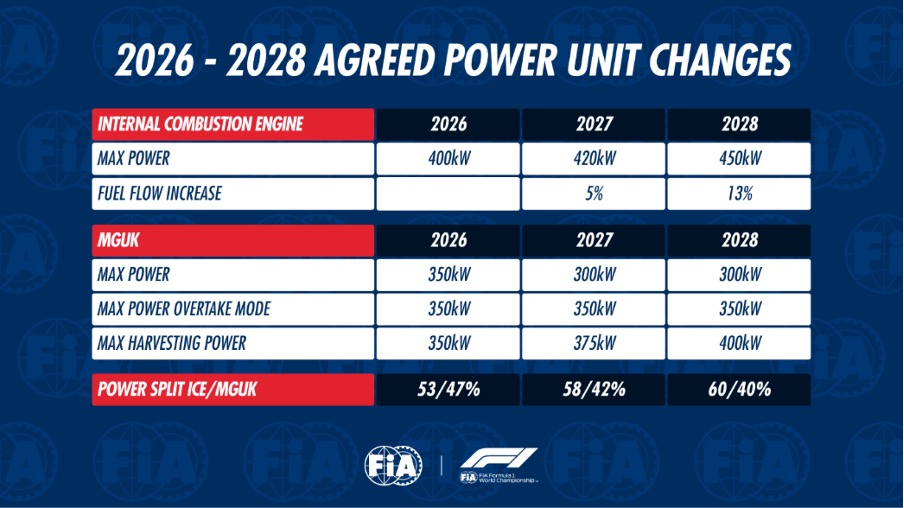
Finally, the World Motor Sport Council has ratified the proposed changes to rebalance the contribution of the Internal Combustion Engine and Energy Recovery System contribution across the 2027 and 2028 seasons. Updates include targeted adjustments to internal combustion engine output, fuel energy flow and energy recovery system deployment, together with increased flexibility in energy management.
 –
–
ABB FIA Formula E World Championship
A number of updates to the Financial Regulations were approved in line with the introduction of the next generation of cars from Season 13. The Manufacturer Reporting Period will be updated from two-years to a one-year cycle, and the regulation will be adapted to the new token system of the championship.
FIA World Rally-Raid Championship
The World Motor Sport Council approved a series of sporting regulation updates for the FIA World Rally-Raid Championship.
Changes were made to the start order process so that the order now more closely reflects the previous Stage’s classification, with drivers competing in Ultimate, Stock, Challenger and SSV vehicles who set a time within 117% of the fastest overall time to be included in the revised start order procedure.
The regulations governing repositioning on Marathon Rally-Raid events, notably the Dakar Rally, have also been updated. Under the revised regulations, Silver drivers will be eligible for two repositioning opportunities.
Further changes were made to the regulations governing maximum Stage Penalties, raising the number a competitor may receive before being excluded from the final classification. Competitors who receive more than two maximum Stage Penalties during a Rally-Raid event, or more than three maximum Stage Penalties during a Marathon Rally-Raid event, will no longer be classified.
FIA Cross Country Rally
A raft of updates to the regulations governing Cross-Country Rally were approved by the World Motor Sport Council, including the merging of Platinum and Gold priority status into a single Gold status. Under the new regulations, drivers who previously held Platinum status, which was defined as the top three finishers in the last three World Rally-Raid Championships and the overall winners of the last five Dakar events will now be defined as Gold priority.
Amendments to the technical regulations governing Cross-Country Rally were also approved, including an update to the maximum cost of a new ready-to-compete Stock car, which will be capped at €350,000. The adjustment reflects the increase in real vehicle costs caused by inflation over the past two years.
Changes were also made to the regulations governing hybrid Stock vehicles. Under the updated regulations, the original vehicle battery pack may be replaced by a series-production battery pack from another model produced by the same manufacturer.
This change is intended to address the specific demands of Cross-Country Rally competition, where standard hybrid 4WD vehicles may be equipped with large battery packs that create a significant weight disadvantage, with no opportunity to recharge during a competitive stage.
Further changes were made to the minimum weight regulations across all Cross-Country Rally classes, establishing a single minimum weight for each category, inclusive of the crew and their equipment.
Cross Country safety
The implementation of FIA 8855-2021 or FIA 8862-2009 seats will be updated from 2027.
The requirement will apply across Cross-Country Rally categories, with exemptions for Ultimate and Challenger vehicles with safety cages homologated before 1 January 2024, as well as all Truck, T4 and T2 vehicles.
The change is intended to support the wider use of newer-generation seat technology, further improving crew safety across the discipline.
New provisions were also introduced to allow seating positions to be adjusted using cushions or foam inserts, including through the modification or removal of original inserts where permitted under the new article.
Competitors are also recommended to follow the Cross-Country Seat Headrest Foam Guidelines, which will be published later this summer, to identify the foam configuration most suitable for driver and navigator comfort and safety. This update is intended to improve crew positioning and head support inside the vehicle, helping to reduce the risk of excessive head movement or impact when running over particularly rough terrain, or in the event of a collision.
Regional Rallying
The World Motor Sport Council approved updates to the regulations governing national cars entered in FIA Regional Rally Championship events.
Under the revised regulations, national cars entered in these events must hold an ASN Technical Passport and be registered through a new digital National Car Acceptance Form.
Updates were also made to the implementation of FIA 8855-2021 or FIA 8862-2009 seats from 2027.
The requirement will apply across eligible cars, with exemptions for RGT cars homologated before 1 January 2022, R1, R2, R3, Rally5 and Rally4 cars homologated before 1 January 2020, and all national cars.
–
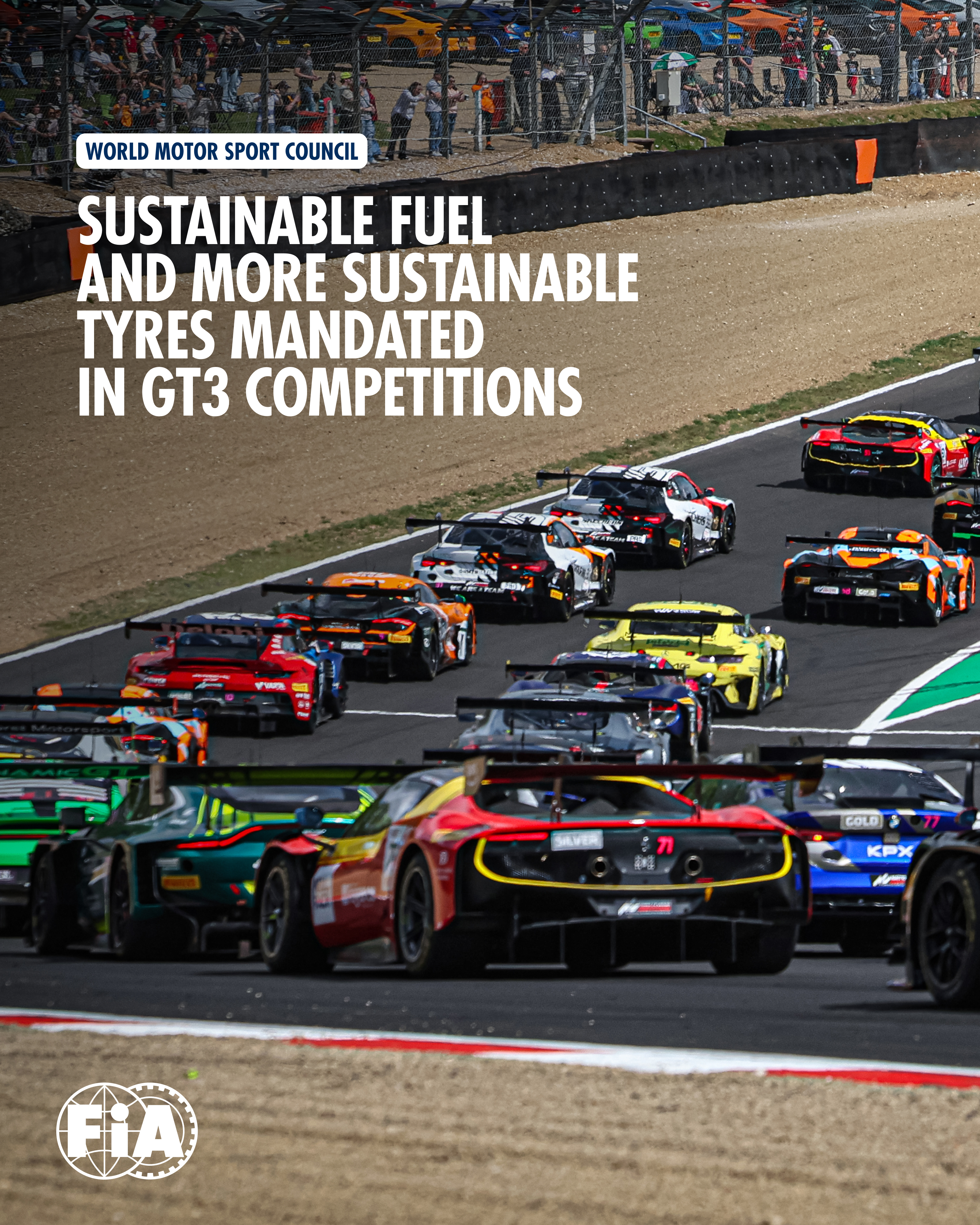 Amendments to the GT3 technical regulations, in line with the Sustainability Roadmap previously defined by the Commission, have been approved.
These will include the exclusive use of sustainable fuel becoming mandatory in any GT3 competition from 2028. The change is aligned with the previous introduction of sustainable fuel to the FIA GT World Cup in 2024.
In addition, all tyres used in GT3 competitions will be required to contain a minimum of 20 per cent sustainable materials, either bio-sourced and/or recycled, from 2028 onwards. This follows on from the recent appointment of the tyre supplier for the FIA World Endurance Championships’ LMGT3 class, which will utilise tyres made from 66 per cent sustainable materials during the 2027, 2028 and 2029 seasons.
These changes represent the next step in the FIA’s long-term strategy to increase sustainability in GT racing while maintaining current levels of performance, cost and competitiveness within the class.
–
FIA Truck Racing Commission
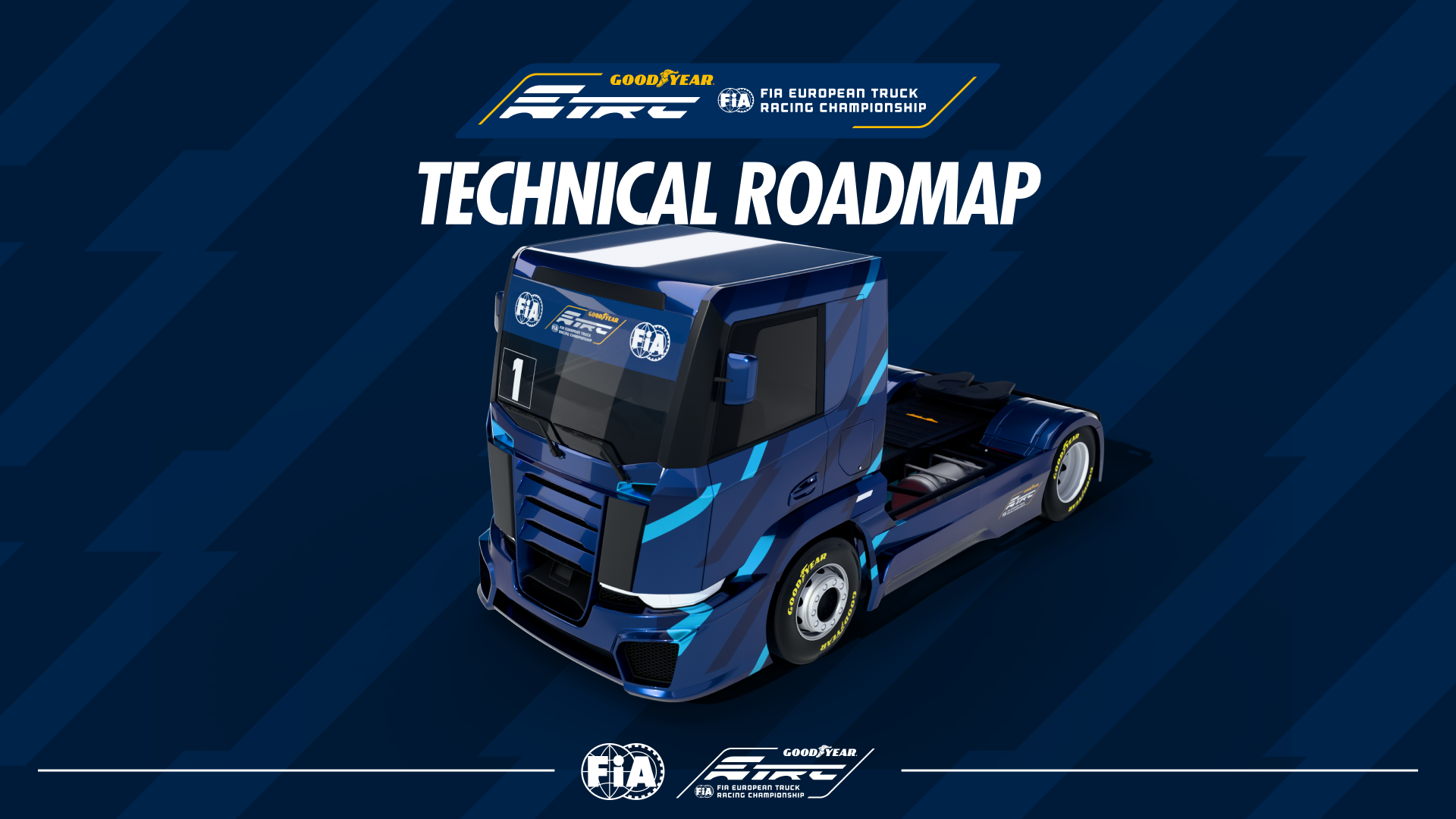 The World Motor Sport Council approved the general principles of an updated technical roadmap for the Goodyear FIA European Truck Racing Championship, which includes the introduction of a new technical platform for the next generation of race trucks that will run alongside the current specification of race trucks.
The current specification of trucks will continue to compete under dedicated a set of regulations, known as Category II, and are expected to remain eligible until at least 2030.
Alongside the Category II, a new Category I specification will be introduced to increase road relevance and facilitate the integration of future powertrain technologies. The new regulations are being developed with several key objectives, including reducing vehicle weight and operating costs, improving safety, increasing the use of components derived from series-production trucks, and further enhancing sustainability.
The new Category I chassis regulations will also promote greater technical freedom through open suspension geometry, improved vehicle dynamics and increased chassis stiffness. In addition, the Category I trucks will be ballast-compatible and designed to accommodate multiple energy sources, including fully electric, hybrid and liquid hydrogen (LH₂) powertrains in the future.
The roadmap presented to the World Motor Sport Council foresees completion of a first draft of the new Category I chassis regulations by the end of 2026, allowing homologation from 2027, with the objective of becoming eligible for Goodyear FIA ETRC competition from 2028.
Development of the Category I powertrain regulations will follow a separate timeline, with a first draft planned by the end of 2027 and development work commencing in 2028.
The introduction of these new regulations aims to secure a sustainable long-term future for truck racing while maintaining continuity for existing competitors.
Beyond Goodyear FIA ETRC, FIA Truck Racing regulations are also adopted by a number of national truck racing competitions across Europe, therefore the new technical road map is set to have a broader impact on the future of the discipline.
–
FIA Drifting Commission
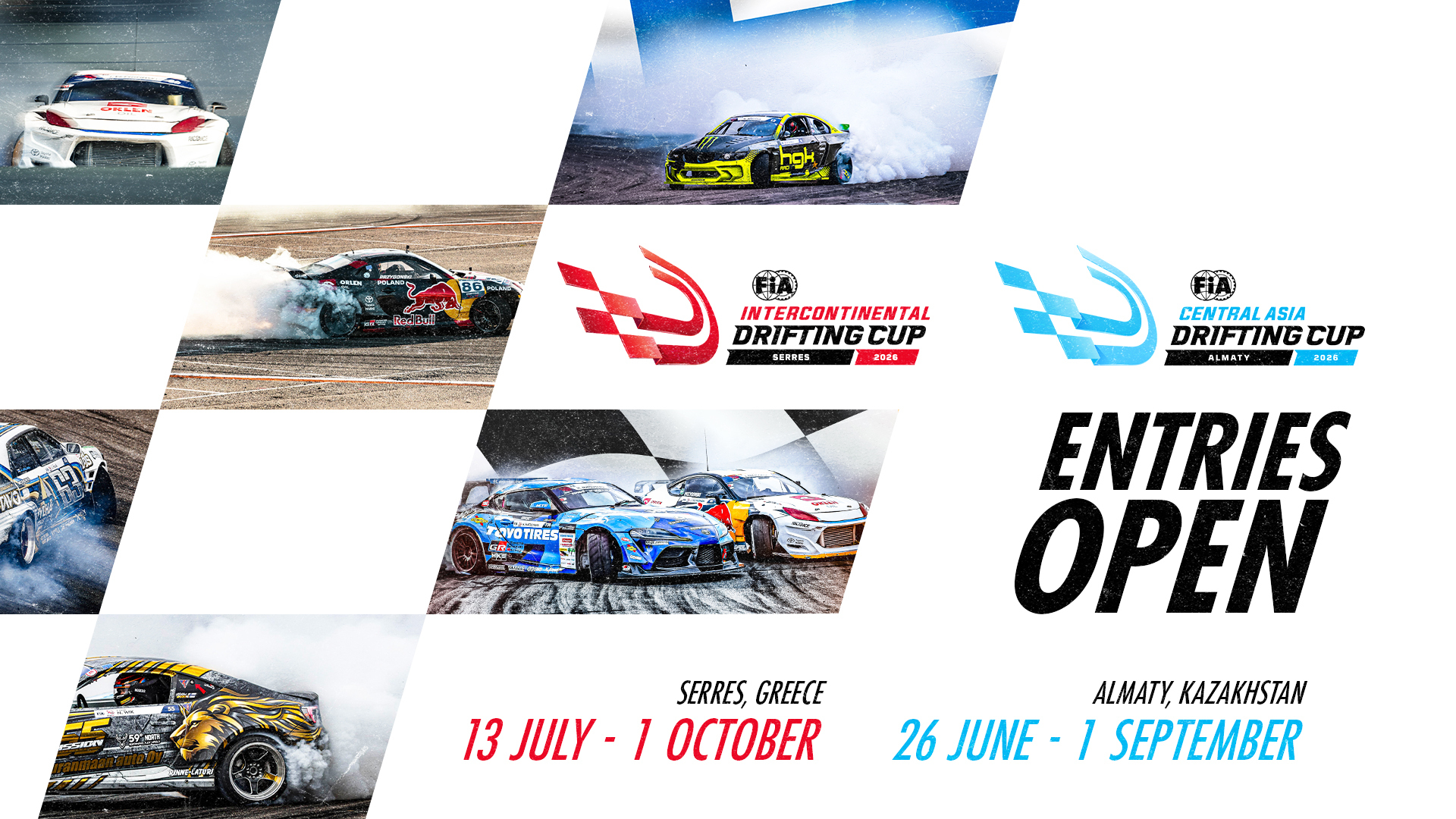
The World Motor Sport Council approved the sporting regulations for the 2026 editions of the FIA Intercontinental Drifting Cup and the new-for-2026 FIA Central Asia Drifting Cup, outlining the entry periods for both competitions.
Registration for FIA IDC competitors will open on 13 July and close on 1 October. However, between 26 June and 13 July, any National Sporting Authority may express its interest in entering one driver from its nation. The entry list will be limited to 50 drivers, representing a five-slot increase compared to the 2025 edition. As in previous years, two titles will be awarded: the Drivers’ Title and the Nations Cup.
Registration for FIA Central Asia Drifting Cup competitors will open on 26 June and close on 1 September. There will be no limit on entries, with both a Drivers’ Title and a Teams’ Title to be awarded.
The venues and dates for both competitions were announced in May. The FIA Intercontinental Drifting Cup will take place at the Serres Circuit in Greece from 13 to 15 November, while the inaugural FIA Central Asia Drifting Cup is scheduled for 25 to 27 September 2026 at the Sokol International Circuit in Kazakhstan.
Sporting and technical regulations for both events can be found on FIA.com.
New red flag procedure approved
An update to the International Sporting Code has been approved to strengthen the safety procedures that apply during a red flag scenario. Under the new regulations, all cars must be prepared to stop and proceed to an area specified by the Race Director, set out in the competition notes.
Previously, all cars were required to proceed to the Red Flag line on the track. The updated regulations give Race Directors the flexibility to adapt the red flag procedure to the specific characteristics of the track and the bespoke approaches required across the various championships and disciplines governed by the International Sporting Code.
–
2026 FIA sporting calendars were updated and approved as follows: CLICK HERE
–
Upcoming World Motor Sport Council Meetings
15 October 2026: Virtual
10 December 2026: Shanghai, China – within the framework of the 2026 FIA General Assemblies

