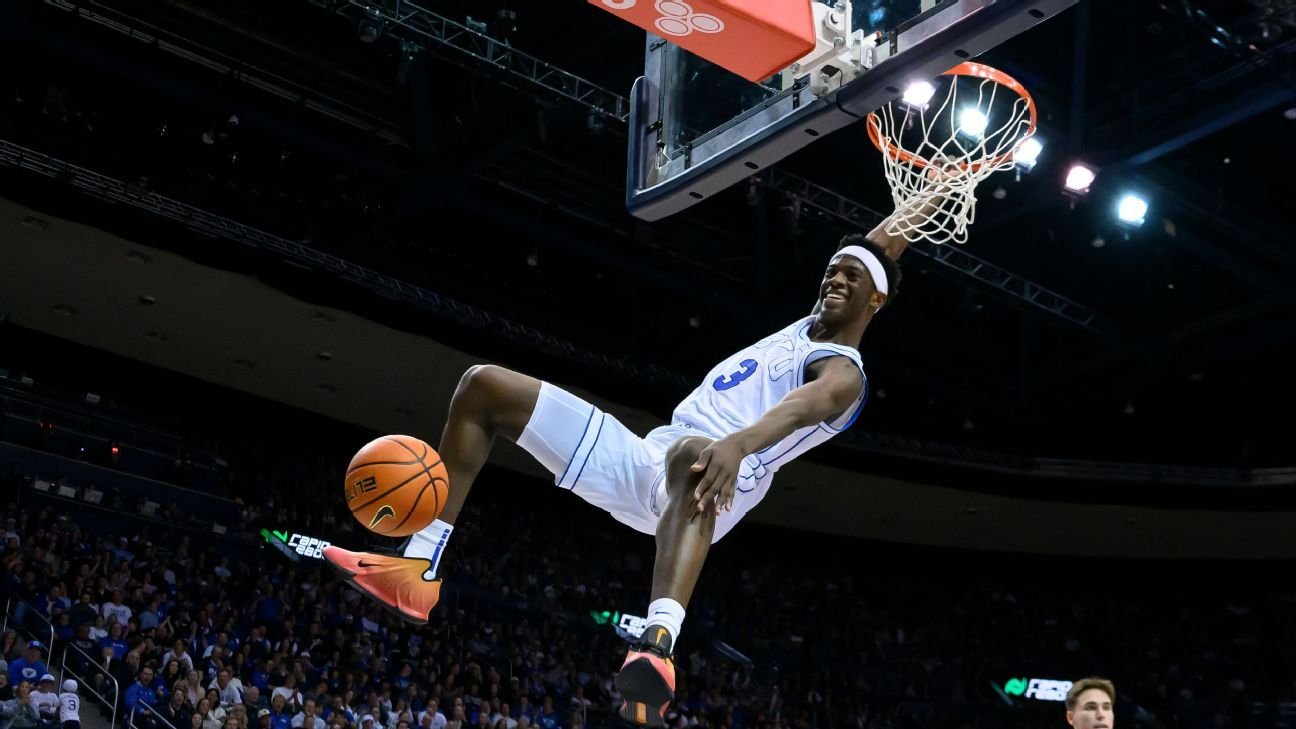
This has been an amazing college basketball season. Simply amazing.
Despite all of the doomsday predictions from some coaches and administrators, the pronouncements of “chaos” and the “wild west,” the game has never been better. The quality of play has been spectacular. Plenty of teams are older and experienced, and this might be the deepest and most productive freshman class in recent memory, if not in history. Ratings and interest have never been higher. There is A LOT to celebrate.
The only downer of the season has been the high-profile injuries to some of the truly great players in the game. BYU’s Richie Saunders, Texas Tech’s JT Toppin, North Carolina’s Caleb Wilson and Michigan’s L.J Cason are all out for the year, ending great individual seasons (and college careers) and affecting the ceilings of their teams.
Kansas phenom Darryn Peterson has been, at times, the best and most captivating scorer in the game. But his injuries, illness and periodic unavailability have been frustrating, mostly because of our selfish nature of wanting to see him perform. Peterson might be the No. 1 pick in the NBA draft in June and would be on the 2026 All-American first team, except he has played in only 20 of the Kansas Jayhawks‘ 31 regular-season games. In the games he has played, he has been All-America good. There is no such designation for this honor, yet there should be.
The National Player of the Year race is over, and it belongs to Duke’s Cameron Boozer. There is no question he has been the best player in the game this season. Boozer’s productivity and consistency have been uncommon. He will be the first player to average more than 20 points and 10 rebounds while shooting 40% from 3-point range since Kevin Durant in 2007. His “worst” game: 14 points, five rebounds and two assists against Niagara, when he played only 21 minutes in a blowout. That consistent production hasn’t happened in the past 30 years. Oh yeah, and he plays for the No. 1 team in the nation. He leads the Blue Devils in scoring, rebounding, offensive rebounding and assists.
Freshman stars earned six of the 20 spots on this All-America list, which is remarkable. And even so, several incredible freshmen were left off: Kingston Flemings (Houston), Ebuka Okorie (Stanford), Hannes Steinbach (Washington), Nate Ament (Tennessee), Mikel Brown Jr. (Louisville) and Brayden Burries and Koa Peat (Arizona). The list is ridiculous.
The best news: Only the regular season is over. This incredible group of players and their teams still have tournament play in front of them, where they can pursue championships, build résumés and prove us wrong if they don’t care for our views. That is the way it should be.

FIRST TEAM
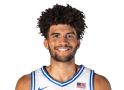
National Player of the Year
The undisputed best player in the country. He’s averaging 22.7 points, 10.2 rebounds and 4.1 assists, shooting 58% from the field and 40.7% from 3-point range. Whatever happens in the NBA draft, Boozer has ruled college basketball this season.
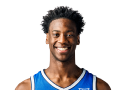
Dybantsa’s 24.7 points per game leads the nation, and he seems to shine when the spotlight is brightest. He has scored more than 35 points in a game five times — including a high-profile matchup with No. 4 Arizona (35 points) and a 40-spot in his Big 12 tournament debut on Tuesday against Kansas State.

In his first year at Michigan, Lendeborg has been one of the best two-way players in the country. He’s a big reason the Wolverines are as good as they are this year — and why they’re a contender in this tournament.
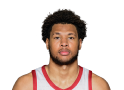
In his second season in Ames, Jefferson is averaging career highs in points, rebounds and assists. He has grown into one of the most versatile players in the country, with five double-doubles this season.

Smith’s 8.7 assists are good for second in the nation this year — and it’s the second season in a row he has averaged as many. Smith remains one of the best guards in the country, and he’s averaging 14.9 points per game and shooting at the best clip of his career.
SECOND TEAM

Toppin’s ACL injury that sidelined him last month was a shame for the Red Raiders and for college basketball fans. Toppin was one of the best returners in the country, and he had improved in nearly every facet this year.
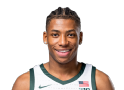
Fears leads the nation in assists with 9.1 per game, and he has hit double-digits 12 times (last season he had just 5.4 per game). Tom Izzo has gotten the best out of Fears as a starter this year.
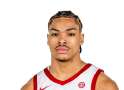
Even fighting an ankle injury in recent weeks, Acuff has been putting on a show. After a 49-point masterclass in a double-OT loss to Alabama, Acuff scored 20-plus points in three of his final four games.

In his first year at Iowa, Stirtz has been a boon for the offense — and is scoring even more than he did at Drake last year. He’s averaging 20.2 points, 3.4 rebounds and 5.1 assists.
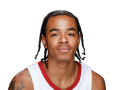
Replacing Mark Sears was never going to be easy, but Philon rose to the challenge and then some. His 21.5 points per game — good for 15th in the country — more than doubled his total as a freshman last year.
THIRD TEAM
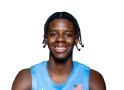
Wilson’s loss (just like Toppin’s) was as saddening to college hoops fans as to the Tar Heels faithful. He changes the game when he’s on the court, and UNC will miss him badly in the tournament.

One of college basketball’s best talents — when he was on the floor. His 24-point game against Arizona and 27-point outing in the season finale against Kansas State were bright spots this season.
Ike is shooting at one of the worst rates of his career this season, but at 56.5%, that’s not too shabby. He’s averaging a career high 19.9 points, and building around his well-rounded game has given Mark Few another contender.
Anderson’s sophomore campaign has seen incredible improvement. His points per game jumped from 10.6 to 19.2; his assists per game climbed from 2.2 to 7.8, good for third in the country.

Wagler, an unranked four-star recruit, has been fantastic for Illinois. His 23-point performance against Michigan (guarded by Lendeborg, no less) was a showcase.
HONORABLE MENTION
Jaden Bradley, Arizona
Thomas Haugh, Florida
Bruce Thornton, Ohio State
Nick Martinelli, Northwestern
Tyler Tanner, Vanderbilt

