At the beginning of a recent solo ride, I tried to add up the costs of going faster on the bike. With no paper or calculator within easy reach, I quickly exceeded my math abilities. But not before I reminded myself of the adage: there’s no such thing as a free lunch. This suggests there are always hidden costs and trade-offs to what seems free. But there’s got to be ways to hack the system, I thought.
I then started pondering if it’s OK to shell out $100/watt saved, or should the threshold be lower, say $25/watt saved. What are the real costs of seemingly free speed? And, importantly, can I go faster without spending anything at all?
I considered the scenario of riding a five-hour 100-mile gran fondo. This means being able to maintain an average speed greater than 20mph, when accounting for refuelling stops and nature breaks. While upgrades like a power meter and heart rate monitor can help with pacing, they won’t help maintain the necessary effort, especially when detracting factors like hills and wind are at play. So how could I get faster without paying for it?

Drag is a drag

(Image credit: Arnau Linares, Factor)
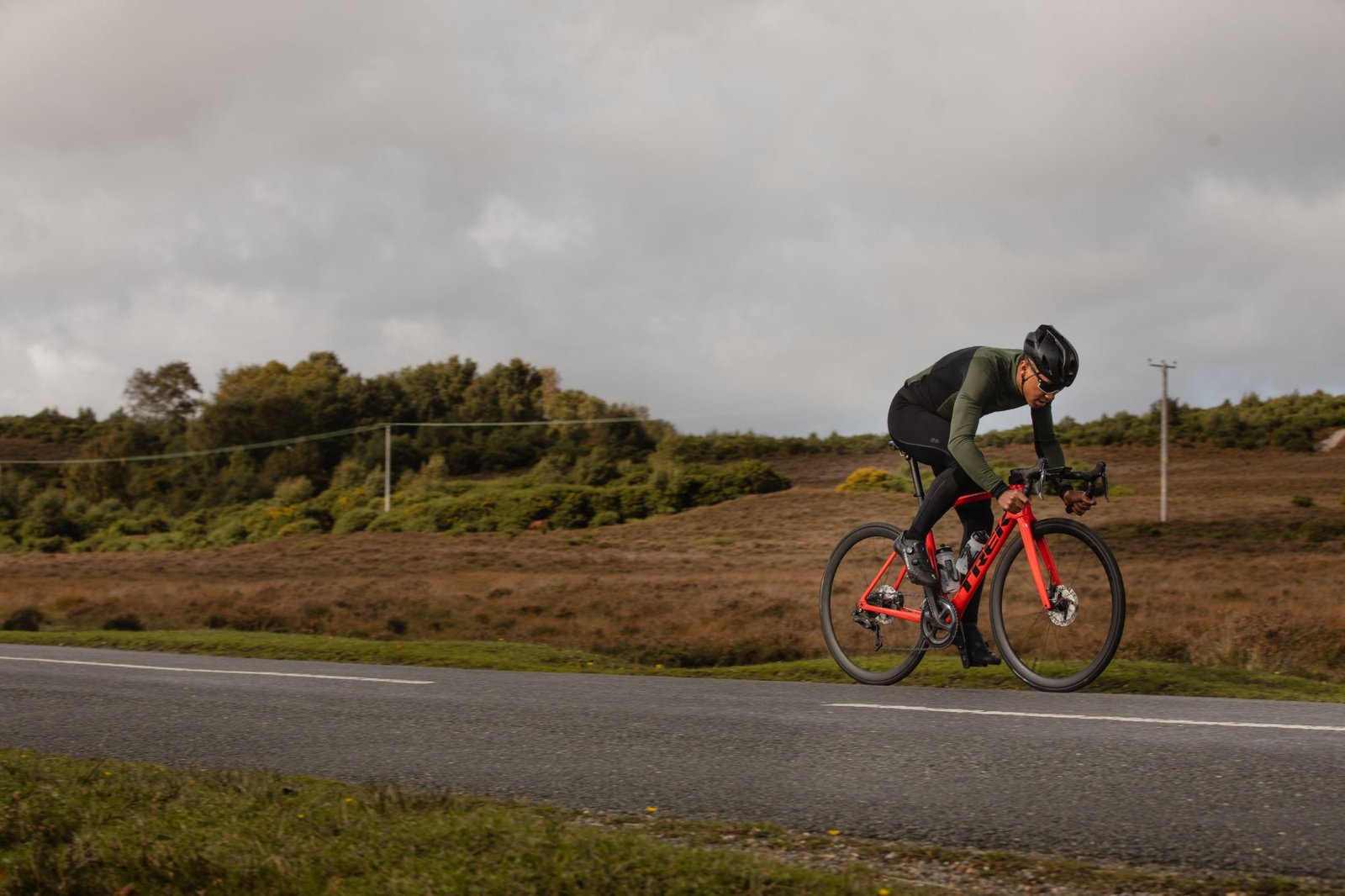
In a previous article, Cycling Weekly generalised that if you’re riding on the road at about 25mph (40kph), about 20 percent of power generated by the rider goes to overcoming rolling resistance, a whopping 70 percent goes to overcoming aerodynamic drag, and the remaining 10 percent is lost to drivetrain friction.
Specialized ran an ad campaign about a decade ago that leaned heavily into upgrading your bike, kit, helmet, shoes, etc., to the most aerodynamically available at the time, even if there was a small weight penalty. Of course, new bikes and parts aren’t free; quite the contrary. Each aero upgrade was more marginal and significantly more expensive than the previous.
But the California-based manufacturer made a point: putting a bike on a diet would not be as beneficial as tricking it out with the slippery bits that tested fastest in the company’s WinTunnel. Aero always bests weight, unless doing Alpine Grand Tour riding. My mind then wandered to non-obvious aerodynamic enhancements and their relative cost.
What can I get for the cost of a pre-ride cappuccino?

(Image credit: Future)
All the stiffest, most aero carbon gear won’t do a bit of good if I’m not comfortable on the bike. A bike fit performed by a professional bike fitter should allow for the most aero-optimised position sustainable for an extended period. OK—check—I’ve done this.
But fits often lead to buying new components like a stem, crank arms or handlebars. This means you’re looking at several hundred dollars after the cost of the bike fitting. Certainly, this speed isn’t free.
What if I could simply stay in the aero-optimised positions longer? Say with some dedicated stretching and some anti-chafe balm? That certainly isn’t as slick as a one-piece cockpit, but the upgrade can be had for the price of a few pre-ride Starbucks fill-ups.
Merch purch: get a performance perch

(Image credit: Kim Russon)
If being comfortable allows me to sit in the aero position for longer, then the right saddle that’s been installed properly (height, tilt, and fore/aft) is at the top of my list.
But here, too, is a slippery slope. Should I get the saddle with carbon rails or not? While carbon weighs less, the real benefit is its vibration-dampening properties. And when combined with a carbon seatpost, the system can help negate the discomfort of road noise communicated through an ultra-stiff bike frame. But this upgrade can be even more expensive than a new cockpit. There’s got to be a compromise.
When it comes to cycling apparel, I always opt for a form-fitting cut, which incurs a slight cost over a club cut, but eschews extra, wind-catching material.
Usually, an aero kit is performance-oriented and comes with a higher-quality chamois. So while this speed upgrade is by no means free, I figured since I’m buying a new jersey and bibs anyway, why not go with a drag-reducing option?
The best things in life are free but bike upgrades are not

(Image credit: Future / Greg Kaplan)
Inflating tyres to the optimal pressure is about as close to free speed as I can get. The sum of a tubeless tyre, valve and sealant weighs about the same as the equivalent tyre with a latex tube (rotating weight of wheels can negatively impact handling and ride feel). Since tubeless systems are run at lower tyre pressures, the added benefit is comfort and lower rolling resistance, even when compared to the best tyres with latex or synthetic inner tubes.
If you’re still stuck on tubes, the $1/watt savings TPU tubes offer over a similar butyl tube is about as close to free as the air you put into them. If you’re not already riding tubeless tyres, this might be a relatively affordable upgrade the next time you’ve got to swap rubber.
An almost free speed upgrade is chain wax. Although not as sexy as deep-section carbon wheels wrapped in rubber from Continental, it’s a much better value in terms of financial outlay vs speed return—and it could actually extend drivetrain life. I use drip wax on all my bikes’ chains, even my dedicated indoor-only Zwift bike.
Before I drip wax onto my chain, I clean it in a tabletop ultrasonic tank. While I’m at it, I also clean my cassette, de-gunk my chainrings, and rear derailleur pulleys to reduce friction. Dirt and buildup cause drivetrain wear, which, according to CeramicSpeed, may cost one up to four watts when pushing out 250 watts. And dirt and grime greatly shorten component life, too.
The only real free speed is someone else’s work

(Image credit: stephan sieber 01702724326 www.picturebaer.de)
About 100 minutes into this ride, where I pondered how to go faster with no effort, I joined a dozen friends. My 200 watts at 20mph became 160 at 23. Sitting in with them is the closest thing to free speed I could get.
The tradeoffs are relatively minimal, and the risks few: I had only to suffer a few shoulder bumps and some really poor dad-jokes, while I let the front of the group keep their noses in the wind for a few more pedal strokes.

