Who’s Next for 10 Olympic Gold Medals? Johannes Klæbo Has Reached Nine, But Only Michael Phelps in Double Digits
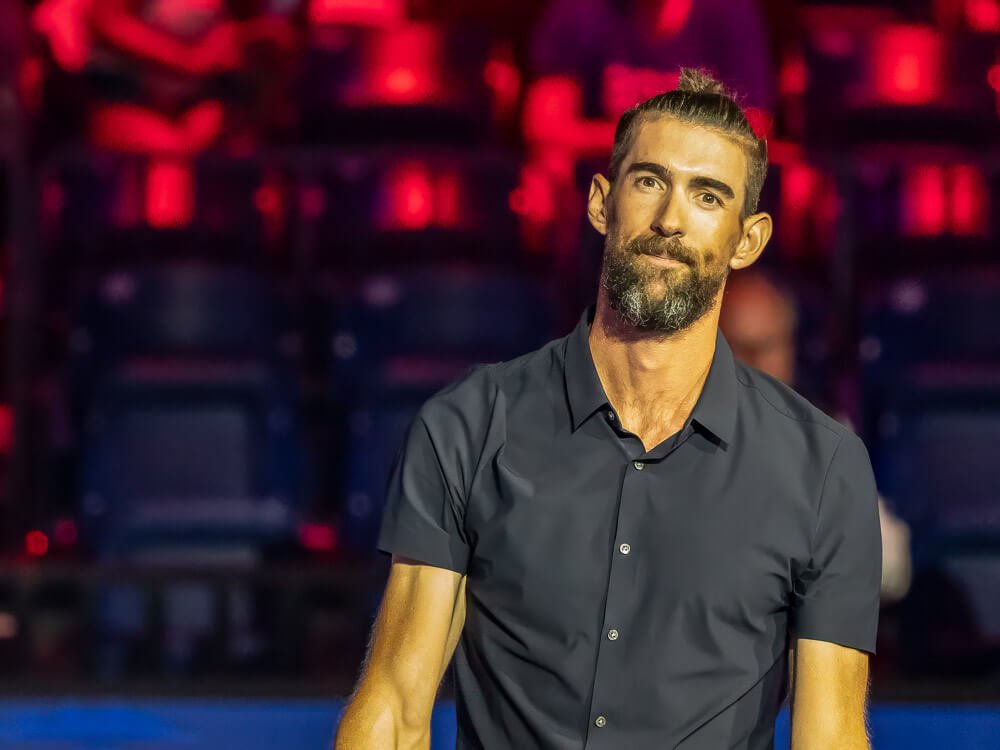
Halfway through the greatest single performance in Olympic history, Michael Phelps earned the 10th Olympic gold medal of his career, making him the first athlete in any Olympic sport to reach the double-digit threshold.
The existing record of nine gold medals had stood for 80 years since Finnish runner Paavo Nurmi completed his career at the 1928 Games. Soviet gymnast Larisa Latynina, American swimmer Mark Spitz and U.S. track star Carl Lewis went on to tie that record over their careers, but Phelps blew past it with his gold medal in the 200 butterfly in Beijing. That race is best remembered as the one where Phelps’ goggles filled with water on the start, yet he still broke the world record.
Phelps would reach 14 gold medals by the end of the Beijing Olympics before adding another four golds in London and five in Rio. The final career total was 23 gold medals, three silver and two bronze. And he remains in a club of his own: there is still no other Olympic athlete to win more than nine Olympic gold medals in their career. However, the tie for second place now includes seven athletes, three of whom remain active.
Jamaican sprinter Usain Bolt finished his Olympic career with nine gold medals, but that was retroactively lowered to eight as Bolt’s 4 x 100 relay from 2008 received a retroactive disqualification nine years later when one of his teammates, Nesta Carter, tested positive for a banned substance. The next pair to reach nine were both U.S. swimmers: Katie Ledecky and Caeleb Dressel, both on the second-to-last day of racing at the Paris Games.
Ledecky’s record-setting fourth consecutive gold medal in the 800 freestyle gave her nine golds total, including one at her debut Games in London, four in Rio and two each in Tokyo and Paris. Ledecky also owns four silver medals and a bronze. Later, Dressel secured his ninth gold when the U.S. mixed 400 medley relay claimed gold in world-record time. Dressel had raced in prelims of the event.
The next day, Dressel had a chance to claim second place on his own with a 10th gold medal. He rebounded from disappointing individual results to swim an electric 49.41 butterfly split on the U.S. men’s 400 medley relay, but China overtook the U.S. team on the anchor leg to hand the Americans their first-ever loss in the event in Olympic competition. Dressel, like Ledecky, was left to wait four years for a chance at joining Phelps in double digits.
Of course, Johannes Klæbo might get there first. Klæbo, a cross-country skier from Norway, has won four gold medals at the ongoing Milan-Cortina Winter Olympics: the 20-kilometer skiathlon, the individual sprint, the 10km freestyle and the 4 x 7.5km relay. Of those wins, only in the sprint event did a competitor come within two seconds. Still to come are the team sprint event, where Klæbo is the defending Olympic gold medalist, and the 50km mass start.
Klæbo already owns more gold medals than any other Winter Olympian in history, surpassing three other Norwegians who were tied at eight golds. He could be days away from winning a 10th gold and perhaps even an 11th. Should he come through for gold in either remaining competition, Klæbo would accomplish double-digit golds in just his third Olympics, just like Phelps.
Ledecky and Dressel will have their chances to get a 10th gold in two years’ time. Ledecky remains undefeated in the 800 and 1500 free since 2012, and while Lani Pallister and Summer McIntosh each issued enormous challenges in the 800 in 2025, the American remains in a class of her own in the 30-lap race. Notably, Ledecky would likely already have 10 or more golds had the 1500 been included on the Olympic schedule prior to Tokyo. Dressel is more of a wild card, but relays or an individual 50-meter race could offer another golden ticket.

