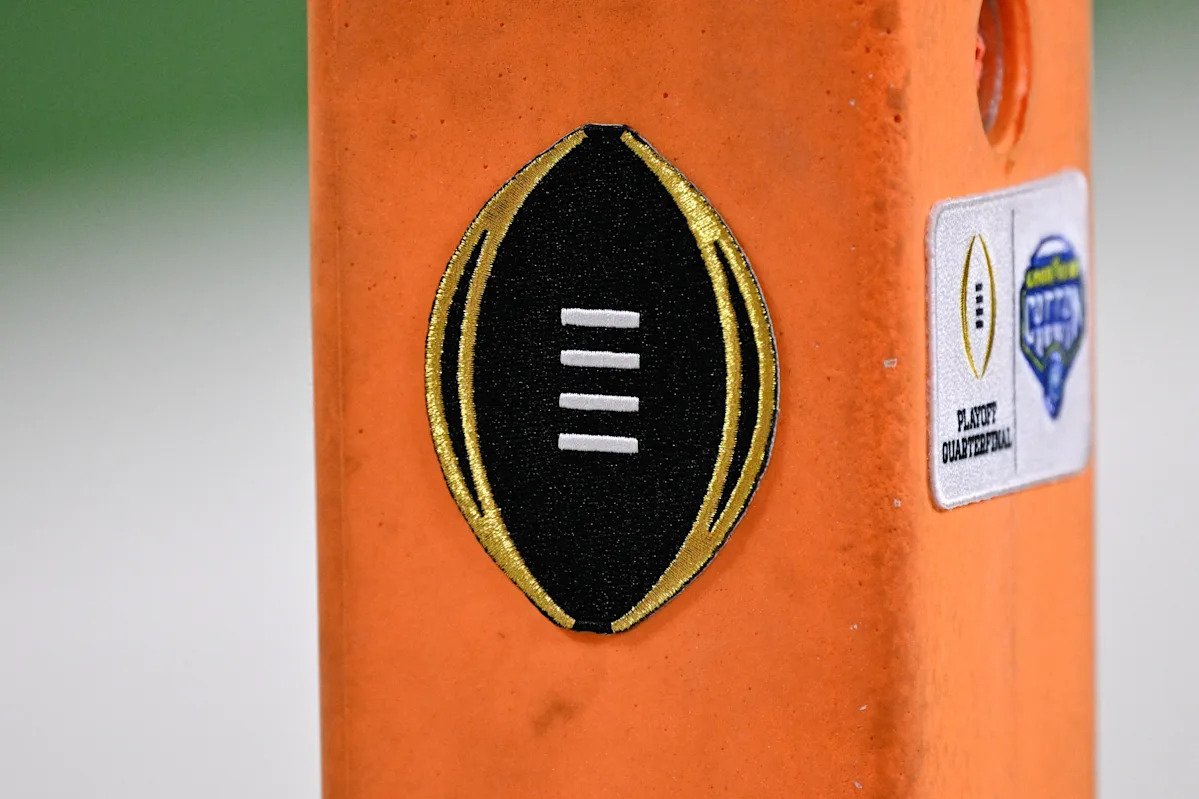
The NCAA not only saw the end of the Brendan Sorsby saga, but it is also watching legislation that could significantly strengthen its position move through Congress. After months of meetings, testimony, and negotiations, the landmark Protect College Sports Act is advancing on Capitol Hill.
Multiple reports indicate the bill has reached the U.S. Senate, where lawmakers will begin debating its provisions. The legislation addresses several major issues that could reshape the future of college athletics.This includes NCAA authority, broadcasting agreements, antitrust exemptions, and potential limits on the continued expansion of superconferences.
Advertisement
Not every conference supports the bill in its current form. The two most influential figures in college athletics—the commissioners of the SEC and Big Ten—have both expressed concerns about certain provisions. The impact they could have on their conferences is noteworthy.
MORE: UFL fan news page brutally roasts Brendan Sorsby after departing Texas Tech
One of the bill’s most notable elements involves media-rights pooling if a specified percentage of FBS programs choose to opt in. Such a system would alter scheduling practices and create a more structured broadcasting landscape. It could also significantly affect postseason events, including the College Football Playoff.
Not all in?
SEC Commissioner Greg Sankey recently told conference members that while the SEC and Big Ten generally support the concept of media-rights pooling, they remain concerned about several aspects of the proposal.
Advertisement
“We are not opposed to other conferences and universities exploring and opting in to media pooling,” Sankey told conference members this week.
MORE: Projected top 2027 NFL Draft pick may not declare for next years draft
“However, the media pooling, as written, exposes the SEC to potential lawsuits forcing the conference into the media pooling practice. … It forces the SEC and Big Ten to either play intraconference postseason tournaments or play only other non-pooling conferences or universities in the postseason to replace the [College Football Playoff].”

Way-too-early men’s NCAA top 25 for 2026-27
Beyond broadcasting issues, the bill is expected to address eligibility rules, transfer portal restrictions, NIL spending, and other growing concerns across college athletics. The media-rights provisions, however, could become a major sticking point for conferences. Some conferences already have lucrative long-term television agreements in place.
Advertisement
The Big Ten, for example, maintains a major media partnership with CBS. The SEC recently entered into an exclusive broadcasting agreement with ESPN.
As debate begins in the Senate, the key question remains: Will the Protect College Sports Act move quickly toward becoming law, or will lawmakers amend it repeatedly before it reaches the president’s desk?

