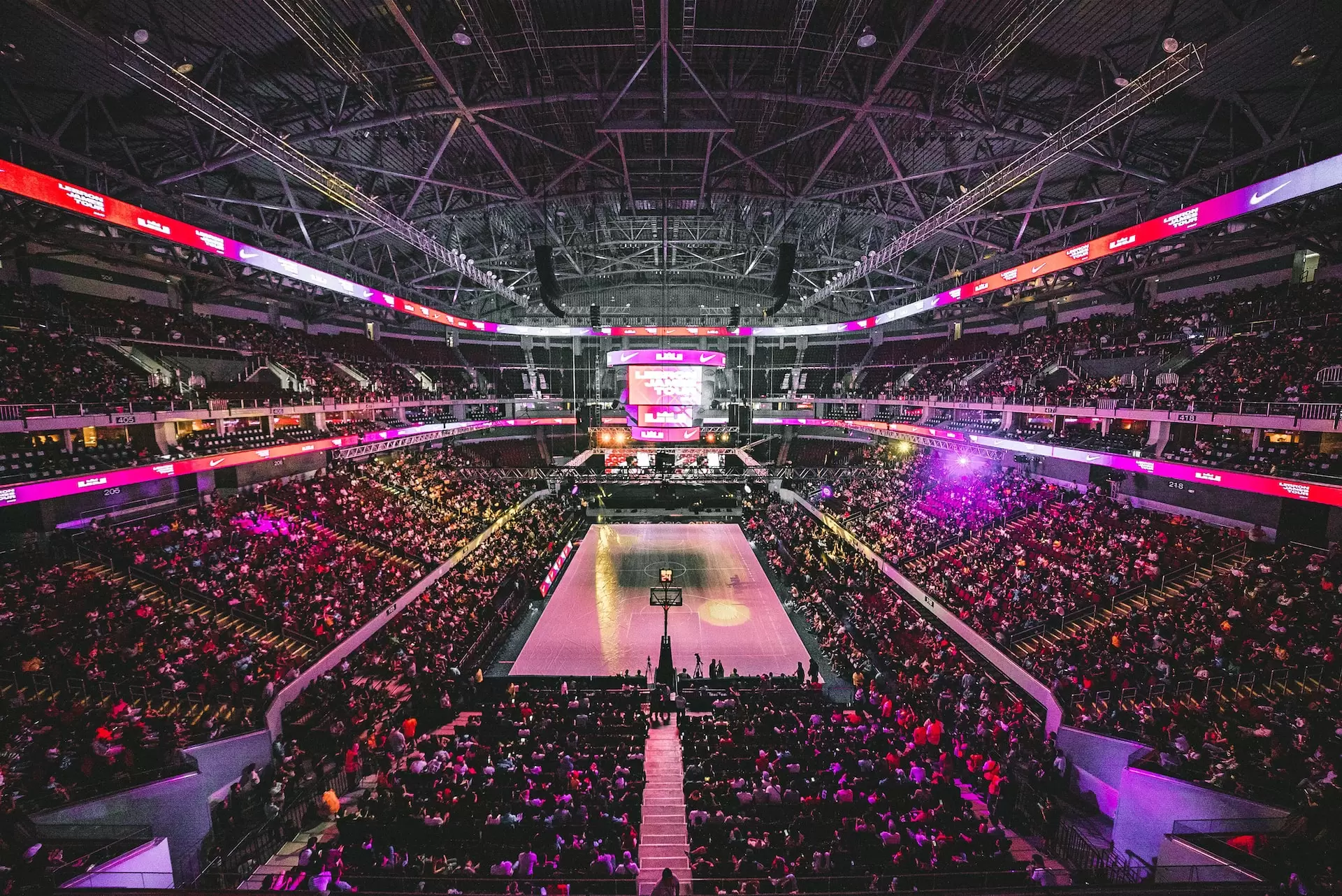
EuroLeague basketball has grown into one of the most respected and entertaining competitions in global sports. While the NBA still dominates worldwide attention, more basketball fans are turning toward Europe’s top club competition because of its atmosphere, tactical intensity, and passionate fan culture. The league now attracts viewers far beyond traditional European basketball markets.
For many longtime basketball fans, EuroLeague offers something increasingly difficult to find in modern professional sports: emotional intensity combined with highly tactical team basketball. Games often feel unpredictable, physical, and deeply connected to local identity.
The broader sports entertainment landscape has also shifted toward immersive fan experiences and nonstop digital access. Platforms connected to sports culture, including services like vegashero casino, reflect how audiences increasingly consume entertainment through live interaction, online communities, and real time engagement. EuroLeague basketball benefits from many of the same trends, especially through social media clips, streaming access, and global basketball discussion online.
EuroLeague atmospheres feel different from almost any other sport
One of the biggest reasons for EuroLeague’s growing popularity is the unique atmosphere inside European arenas. Fans in cities like Belgrade, Athens, Istanbul, and Kaunas create environments that many players describe as more intense than NBA arenas.
Unlike some North American sports venues where entertainment extends far beyond the game itself, EuroLeague crowds remain heavily focused on basketball from start to finish. Chants, coordinated fan sections, flags, and nonstop noise create pressure that directly affects games.
Teams such as Partizan Belgrade, Panathinaikos, Olympiacos, and Fenerbahçe have built legendary home court reputations because of their supporters. Visiting teams often struggle not only against elite opponents but also against overwhelming crowd energy.
Many basketball fans worldwide first discover EuroLeague through viral videos showing packed arenas singing together before tipoff or reacting dramatically during close games. Those moments highlight how emotionally connected supporters remain to their clubs.
The local identity attached to teams also plays a major role. In many European cities, basketball clubs represent decades of regional history, political identity, and sporting tradition. That connection creates an atmosphere that feels deeply authentic.
Tactical basketball attracts serious fans
Another major factor behind EuroLeague’s growth is the style of play itself. Many basketball fans appreciate the league’s emphasis on tactics, ball movement, and defensive discipline.
Compared with the NBA, EuroLeague games are often slower paced and more physical. Coaches place heavy focus on half court execution, defensive rotations, and structured offensive systems. Possessions become highly strategic, especially in close games.
Because of FIBA rules and shorter game lengths, every possession carries greater importance. Teams cannot rely purely on athleticism or isolation scoring for long stretches. Instead, spacing, passing, and team chemistry become critical.
This tactical depth appeals strongly to dedicated basketball followers. Many coaches, analysts, and serious fans watch EuroLeague specifically to study offensive concepts and defensive adjustments.
The competition level also continues rising. Former NBA players increasingly join EuroLeague clubs, while many international prospects develop in Europe before eventually moving to the NBA. That combination improves overall quality and increases international interest.
Several NBA stars, including Luka Dončić and Nikola Jokić, developed within European basketball systems before becoming global superstars. Their success has encouraged more fans to pay attention to the leagues and environments that shaped them.
Digital growth expanded EuroLeague’s global audience
Streaming platforms and social media have played a massive role in EuroLeague’s international expansion. In the past, many fans outside Europe struggled to access games consistently. Today, highlights, live broadcasts, and basketball analysis spread globally within seconds.
Younger fans especially consume basketball differently than previous generations. Instead of following only one domestic league, many now watch multiple competitions across different countries and time zones.
EuroLeague clubs have also improved their digital presence significantly. Teams regularly post behind the scenes content, player interviews, training footage, and fan videos that help international audiences connect with the league’s culture.
Basketball discussion online has contributed to this growth as well. Analysts, YouTubers, and social media creators increasingly break down EuroLeague tactics and showcase the league’s unique style. As a result, fans who initially discover highlights online often become long term viewers.
Travel also influences the league’s popularity. Many basketball fans now plan trips around major EuroLeague matchups because attending games in cities like Belgrade or Athens offers experiences unlike traditional sports tourism.
What makes EuroLeague especially compelling is the balance between elite talent and emotional intensity. The competition combines high level basketball with passionate local support, historic rivalries, and tactical complexity.
As global basketball culture becomes more connected through digital media and international player movement, EuroLeague continues establishing itself as far more than just an alternative to the NBA. For many fans around the world, it has become one of the most exciting basketball competitions anywhere.

