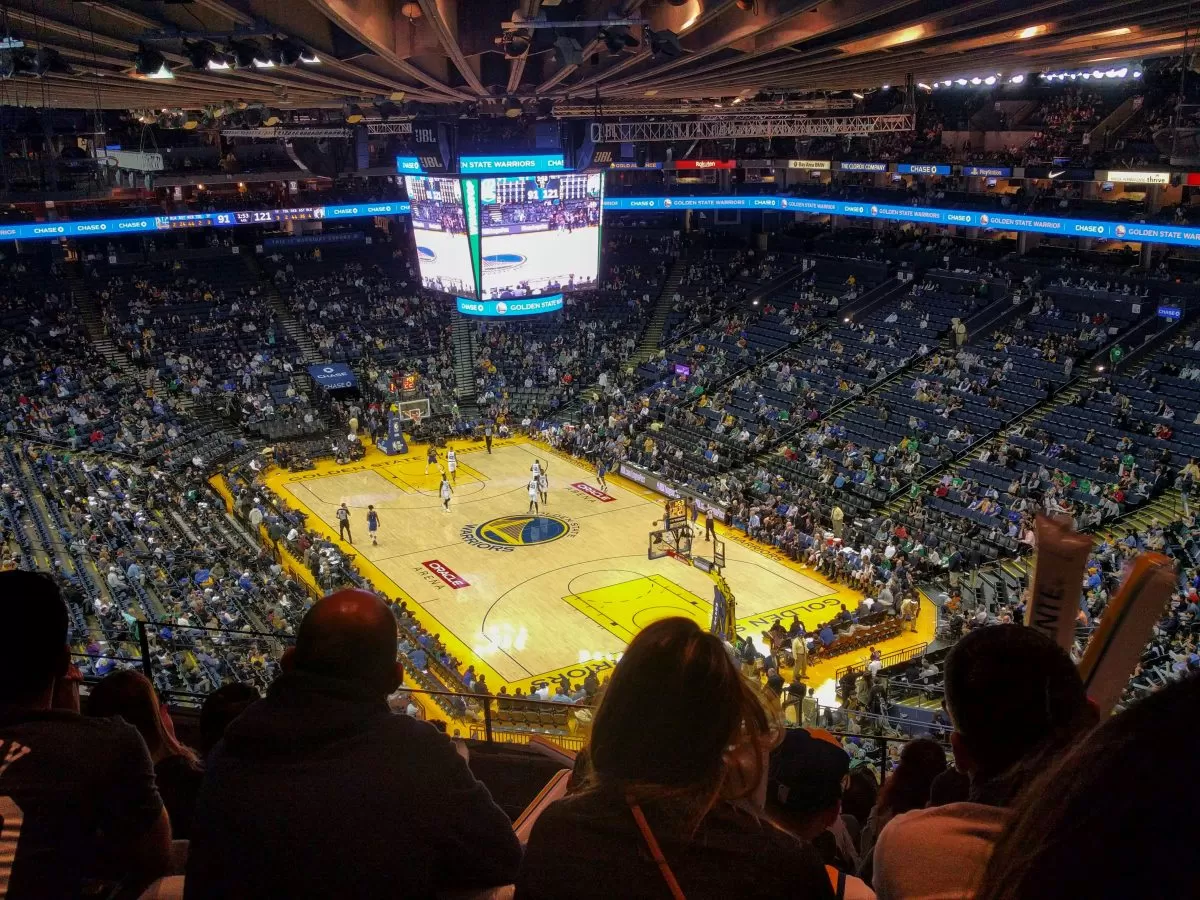
The NBA schedule is brutal in a way that most casual fans do not fully appreciate. Teams play 82 regular season games between October and April, which works out to roughly one every other day across the entire season. Within that calendar there are pockets of extreme congestion where teams play four games in five nights, fly cross-country multiple times in the same week, and arrive at arenas having slept poorly in a sequence of different hotel beds for days at a stretch. While researching your NBA angles, you might also explore online slots as a complementary option on nights when the schedule does not offer the situational angles you are looking for. There is no need to force action on poor setups.
For bettors paying attention, schedule-based fatigue is one of the most reliable and consistently underpriced edges in professional basketball. The key is understanding not simply that fatigue exists, which every bookmaker already prices for to some degree, but how the fatigue effect interacts with specific roster characteristics and travel circumstances in ways that the market does not always fully capture in its pricing.
Age, Minutes Load, and the Recovery Gap
The fatigue effect is significantly larger for older rosters. Teams with an average age above 28 and key players logging heavy minutes throughout the season see much more pronounced performance drops on the second night of a back-to-back than younger squads who recover faster between games. If you are assessing a back-to-back matchup and one team has multiple starters in their early thirties averaging 35 minutes per game over the previous month, that context deserves meaningful weight in your assessment of the line.
Conversely, a young roster with a deep bench that can genuinely rotate without dropping quality level is much better positioned to handle the back end of a back-to-back. Some teams, particularly those built through recent drafts with limited payroll flexibility, are actually better equipped for congested scheduling than veteran-heavy contenders because their younger players recover faster physiologically and their depth is more evenly distributed across the roster.
Cross-Country Flights and Time Zone Damage
Travel miles compound the fatigue effect in ways that simple back-to-back designations do not capture. A team flying from Los Angeles to Boston and then playing the following night has imposed genuine physiological damage on its players in terms of circadian rhythm disruption and total sleep hours, particularly when crossing multiple time zones in the eastward direction, which research consistently shows is harder on the body than westward travel.
Tracking which teams are playing the away leg of a back-to-back after a cross-country flight versus a short regional hop of less than two hours reveals a measurable and persistent difference in outcomes. The market does not always distinguish between these two types of back-to-back, treating a flight from Utah to Sacramento equivalently to a flight from Portland to Miami. That imprecision creates opportunities for bettors doing the extra work to track actual travel distances.
Targeting Totals With Fatigued Defences
Rim protection and overall defensive intensity are typically the first things to deteriorate as fatigue accumulates across a back-to-back. Bettors looking at totals markets will find that games involving a genuinely fatigued defensive team tend to go over more frequently than the posted total reflects. This is especially pronounced in the fourth quarter, where tired legs lead to breakdowns in rotations, lost closeouts, and easy baskets that would not have been available against a rested defence in normal circumstances.
The NBA gives you 1,230 games to work with across a full regular season. The situational edges described here apply to perhaps 15 or 20 percent of those games in any meaningful way. The discipline to wait for those specific setups and decline action when the conditions are neutral is ultimately what separates systematic bettors from recreational ones who bet every night without a clear situational reason to do so.

