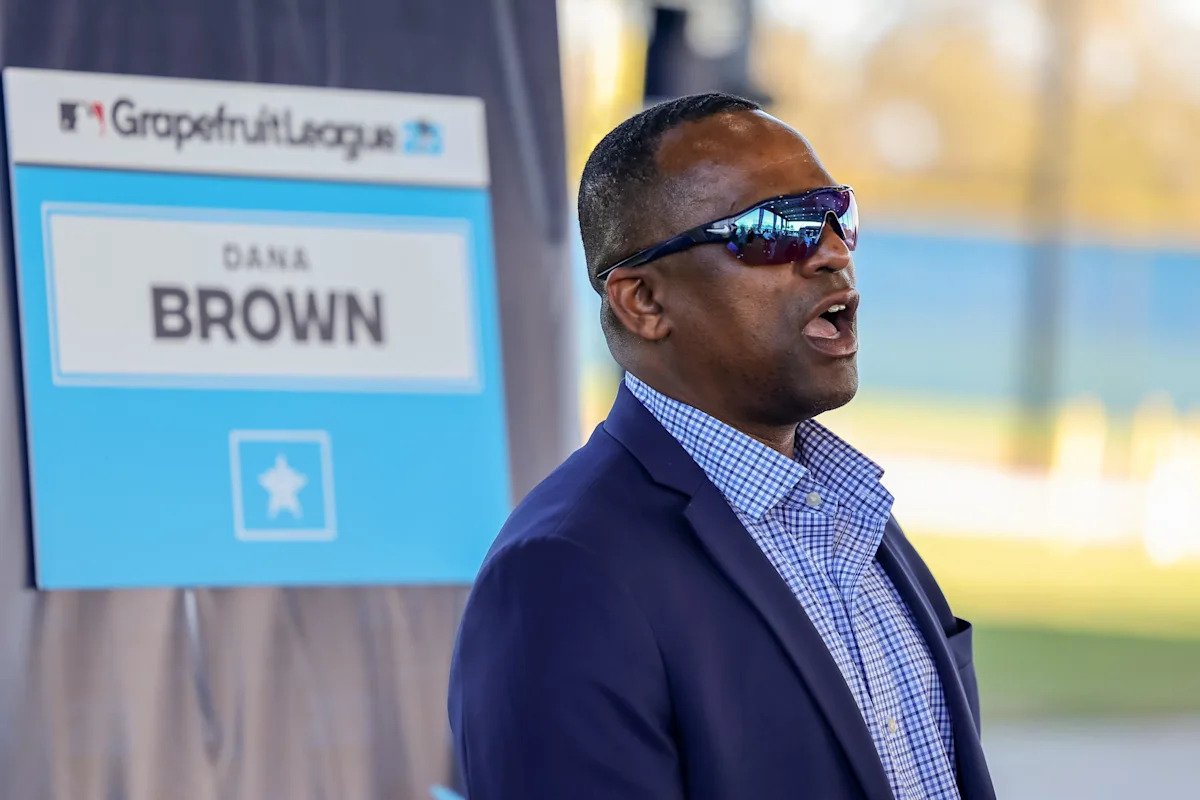
As frustrating and inconsistent as this season has been for Astros fans, one question is becoming impossible to ignore: how much trust should this fan base have in general manager Dana Brown between now and the end of the season?
The timing of that question matters because, despite early struggles, injuries, and inconsistent play, the Astros remain within striking distance. Sitting just four and a half games out of first place and hovering around playoff contention, this team is still very much alive. For all the disappointment surrounding the season to this point, the reality is that meaningful baseball is still on the table.
Advertisement
That creates a complicated situation for the organization because Brown is operating in the final year of his contract.
Many fans have already reached the point where they would welcome a change, arguing that ownership should move on immediately and begin searching for a replacement. But from an organizational standpoint, the timing simply does not make sense.
The Astros are approaching one of the most important stretches of the baseball calendar: the amateur draft and the trade deadline. Both are critical to the immediate and long-term health of the franchise. Maintaining leadership continuity during this period matters, especially for a team trying to remain competitive while simultaneously rebuilding depth in a thinning farm system.
The draft alone makes an in-season move difficult to justify. A franchise that has relied heavily on player development to sustain championship contention cannot afford instability when evaluating and adding young talent. The farm system desperately needs reinforcements, and getting those decisions right could shape the next era of Astros baseball.
Advertisement
Then comes the trade deadline, perhaps the most important checkpoint of Brown’s tenure.
Between now and that moment, Brown has the opportunity to improve a flawed but talented roster and position this team to compete for another postseason run. But there is also a legitimate concern attached to his current situation: desperation.
History has shown that general managers operating as “lame ducks” can sometimes make short-term decisions with long-term consequences.
When a general manager knows he may not be around to see draft picks develop or prospects mature, the temptation can be to prioritize immediate survival over organizational sustainability. That often means sacrificing younger talent for veteran help in an attempt to save a season — or save a job.
Advertisement
And that is the balancing act Astros fans should be watching closely.
Would Brown make calculated, disciplined moves to strengthen the roster? Or could pressure force the organization into mortgaging future assets for temporary fixes?
Complicating the conversation even more is Brown’s overall track record.
What Astros fans may never fully know is how much autonomy Brown has actually had. How many decisions were truly his, and how many were influenced, or restricted, by ownership?
At times, the moves that were not made stand out more than the moves that were.
Questions continue to linger around roster construction, depth issues, and player acquisitions. For a roster talented enough to compete, there have been glaring holes left unaddressed. Injuries have also fueled frustration, particularly when projected recovery timelines have repeatedly shifted or failed to materialize.
Advertisement
Communication has become part of the criticism as well.
Too often, timelines have felt unclear, expectations have been reset, and fans have struggled to get consistent answers regarding player availability and organizational plans. Whether fair or unfair, much of that scrutiny lands at Brown’s feet.
Even his perceived strength, talent evaluation, has come under increased examination.
Take Brice Matthews, for example. While there is still time for development, he has yet to become the player many envisioned. Prospect growth is never linear, but patience becomes harder to maintain when the organization is searching for impact talent.
Advertisement
Then there is Cam Smith.
Brown deserves credit for finally turning an expiring veteran asset into future value instead of simply watching a player leave in free agency. That kind of proactive decision-making matters. But if Smith was the centerpiece of the return, fans are understandably watching closely as he struggles to establish himself consistently at the major league level.
Which brings us back to the uncomfortable reality facing the Astros.
This organization is stuck in something of a catch-22.
You cannot realistically move on from your general manager in the middle of a season when playoff hopes remain alive, the draft looms, and the trade deadline could determine how far this team goes. Stability matters too much.
Advertisement
At the same time, it is fair to question whether a general manager on an expiring deal can separate job security from long-term organizational health.
The Astros need smart, disciplined decisions over the next several months, moves that improve the team without sacrificing the future.
Because the biggest concern is not whether Dana Brown can save this season.
It is whether the pressure to save his job could influence decisions that impact the franchise long after this season ends.

