Built to Win in Court, Paid for Downstream: The NCAA’s New Eligibility Rule a Danger to Olympic Sports
The NCAA’s new five-year eligibility rule is built to win in court. The bill may land on Olympic sports.
By Alexander L. Ballard
The NCAA Division I Cabinet’s unanimous approval last week of a five-year eligibility rule should help the association in court. The cost will land where it usually does in college sports: on the Olympic athletes the system was never built for.
The rule is simple. An athlete gets five years, and the clock starts at the earlier of full-time enrollment or the academic year after they turn 19 years old. The redshirt, the hardship waiver, the delayed-enrollment exception, and the sport-specific carve-outs are gone.
Writing in Sportico on June 25, Michael McCann explained why the rule helps the NCAA in court: a single, clear standard that gives athletes more time to compete and earn is easier to defend than the maze of waivers it replaces. He expects it to hold, and the association to keep winning the eligibility challenges coming at it. He is right. That is the market the rule is built to survive in — schools competing to recruit and keep athletes, and the athletes bargaining inside it. But the rule reaches past that market, to a different group: the Olympic-sport athletes who keep absorbing what these reforms shed.
For most athletes, the rule is good news. Someone who enrolls at 18 and competes straight through gains a fifth season they did not have before, with another year to develop and, in the revenue-sharing era, another year to earn.
The athletes who lose something are a smaller group. For elite Olympic-sport athletes, the old rules were rigid on paper but flexible in practice. An enrolled athlete could redshirt a season — often an Olympic year — and save it. A recruit could delay enrolling to train, then start the clock on arrival. These were release valves, letting athletes whose lives did not fit the four-year timeline manage the collision between the school calendar and the Olympic one without leaving one to chase the other.
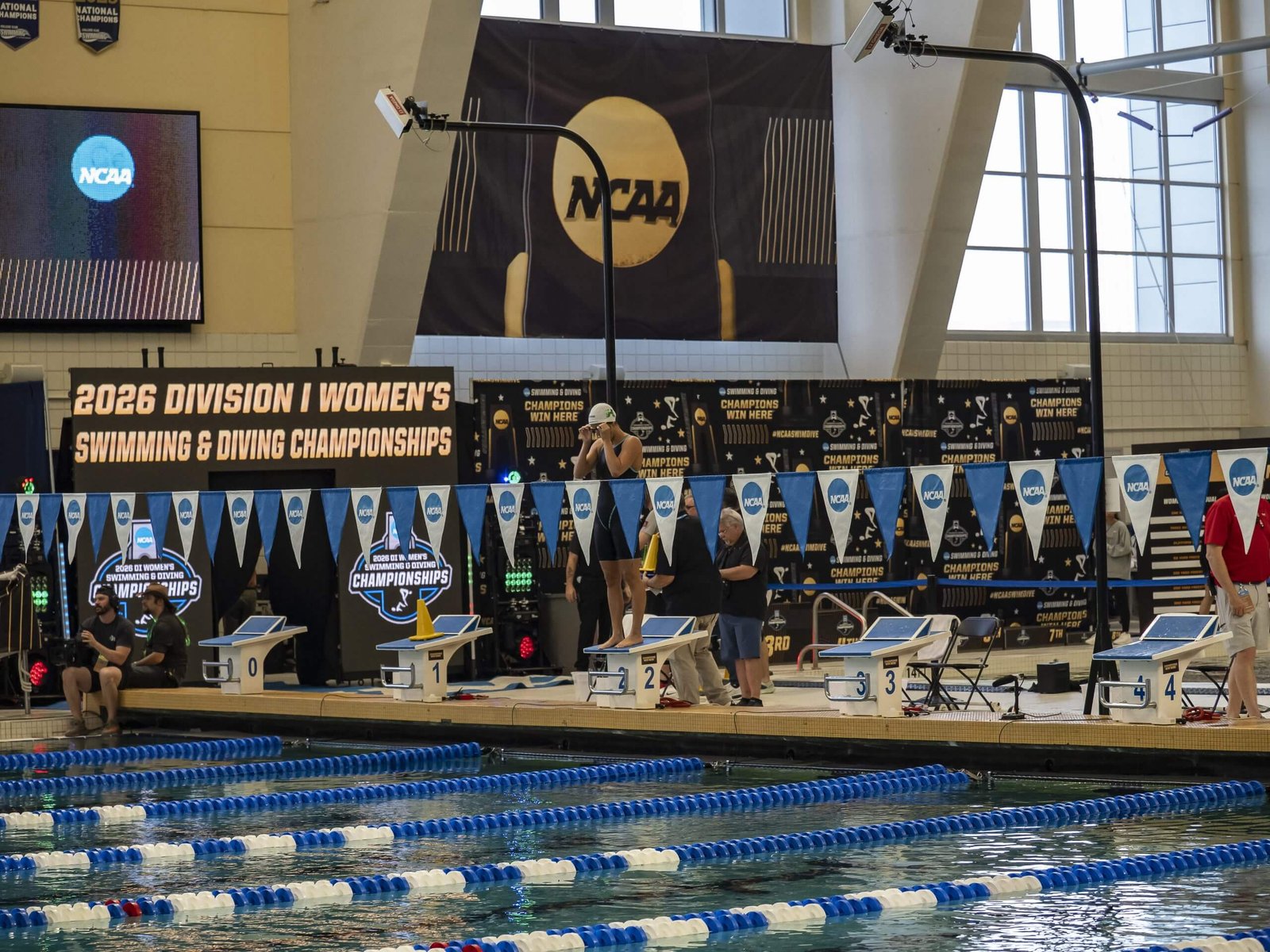
The new rule closes both. There is no redshirt to bank. Delaying enrollment no longer protects the clock, because it starts the academic year after an athlete turns nineteen whether or not they have enrolled. A swimmer who waits a year to train for the 2028 Games in Los Angeles starts her eligibility while she is still training for them.
That is the design, not a flaw in it. A rule with no discretion is a rule with little to litigate. But a rule can be lawful, even procompetitive, and still send its costs somewhere the law does not look. The flexibility it strips out was doing real work. Removing it does not erase the need behind it. It moves the need somewhere else.
We have seen where it goes, because it has happened once already. The antitrust case that remade college sports carries a swimmer’s name. Grant House swam at Arizona State, and the case built revenue sharing on the value of football and basketball broadcasts. The blame for what followed has landed on him, in the wrong place. He asked that athletes share in what they help generate, and a court agreed. The roster caps came later, written by the schools, which chose to protect football and basketball and let everything else contract. He started a lawsuit. He did not decide who would pay for it.
The caps cut Olympic-sport rosters hard. SEC men’s swimming dropped to a cap of 22, from squads that had carried more than 30. A judge shielded the athletes already on those rosters, but no one shielded the recruits and walk-ons who were never on them to begin with. They were the first to pay, and the first to learn they had no easy way to object. That matters, because the college system is the country’s Olympic pipeline. The Associated Press reported that two-thirds of the American athletes in Paris came up through the NCAA. The same choice is being made again now, through a different door: protect the sports that sell tickets, and let the rest absorb the cost.
The athletes the rule pushes out are the ones least able to fight it. The eligibility challenges will likely fail, but they come from athletes still inside the system, contesting the rule itself, over who gets a fifth year. The athlete the rule pushes out entirely is not in that fight. She did nothing wrong, and she has the strongest grievance and the weakest case. Antitrust law generally lets you challenge a restraint only if you compete in the market it governs, and the restraint’s effect was to push her out of that market. The injury and the bar to suing are the same act.
Courts keep remote plaintiffs out for good reason, to stop speculative claims from rippling out of every restraint. But her injury is not a distant ripple. It is the restraint’s direct and foreseeable effect, and that is a harder case to dismiss as too remote. A system that can see the harm coming and gives no one a way to raise it may have drawn the line in the wrong place.
So the real question for Olympic sports is not legal. It is what those athletes do once the rule pushes them out and the courthouse door is closed. The first wave already happened. I wrote in Swimming World this spring about where those displaced swimmers went: into college club programs. The eligibility rule points the next group toward the same place. They reach the end of the varsity system sooner, with less say over the timing, and each has to land somewhere. Some will stay, if their program can keep them. Some will leave to train on their own, chasing an Olympic spot without the college structure that used to carry them there. And some will stop — the quietest outcome, the one with no market to catch them, where the cost is not moved but absorbed by an athlete whose career ends earlier than it otherwise might have.
How much it hurts depends on the sport, and swimming is not the worst case. An Olympic-level swimmer who leaves the varsity system can still find a strong club or training group to carry her toward the Games. The substitutes are not perfect, but they exist at a level that can keep her in contention. Other sports have thinner alternatives. Men’s gymnastics has a few elite clubs, but the college system carries most of the development: when the U.S. men won team bronze in Paris, their first medal in 16 years, every gymnast on the roster had come up through a college program — Michigan, Stanford, Penn State. The clubs that remain are not equal substitutes for that. The deeper a sport leans on the college pipeline, the less any outside option can replace it, and the more a rule that narrows the pipeline takes away.
This is the release valve closing. The old rules let pressure out: a redshirt here, a delayed start there, a roster spot for the athlete who needed one more year. Each reform seals another valve in the name of a cleaner, more defensible system, and the pressure that used to escape has to go somewhere. It goes to the Olympic sports, and to the athletes who can least afford to absorb it.
College sports is built for the games that fill stadiums and television windows, and the Olympic sports that share the building keep paying for decisions made with someone else in mind. The NCAA is on firmer legal ground than it has been in years. It got there on ground paid for downstream, by athletes who were never standing on it. The rule takes full effect in the fall of 2027. The swimmers who will spend their whole careers under the five-year clock are being recruited right now.
© 2026 Alexander L. Ballard. All rights reserved.
Alexander L. Ballard is a J.D. Candidate, 2027, Northeastern University School of Law, concentrating in sports law. Former Division II swimmer and current college club swimming coach with experience in collegiate athletics compliance.

