Geno Auriemma remembered the Russian. A tremendous athlete, all power and motor — “built like Charles Barkley,” he said, and 30 years later that comparison is still right there, ready on the tongue.
Her name isn’t, back then it really didn’t matter.
Advertisement
In 1997, when the WNBA began, the fastest way to make a television audience respect a woman on a basketball court was to compare her to a male player, Auriemma said. That guard reminds you of Isiah Thomas. That forward is built like Barkley. That was a name the crowd trusted and Auriemma and others used to give context and credibility.
Auriemma, who will jump back onto the ESPN broadcast for a Wings at Liberty game July 7, looked back at the WNBA’s early days and considered how far the game has come. He also has concern about where it may go.
“We got a whole different script to work with now,” he said.
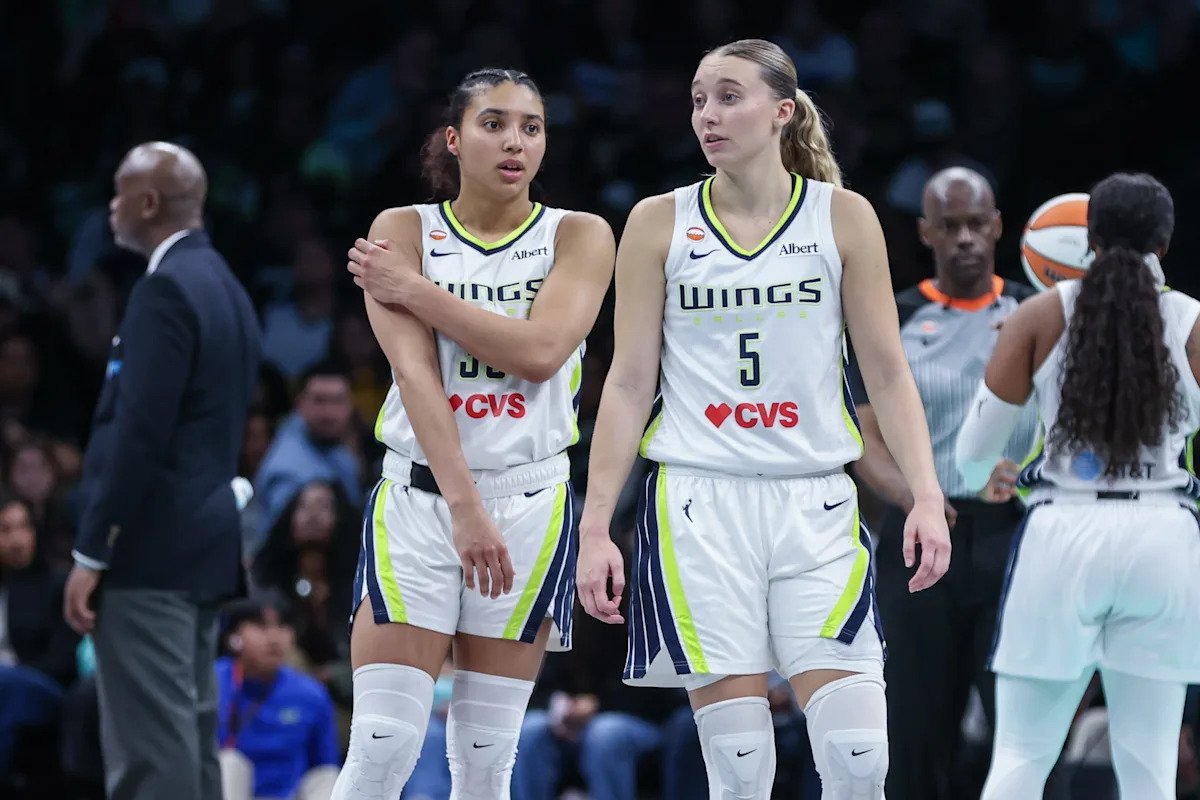
Thirty seasons ago, on June 23, 1997, he sat in an ESPN booth next to Robin Roberts and called the first WNBA game the network ever aired. The two will be back together for one night — Wings at Liberty, with Beth Mowins on the play-by-play on July 7 — with three players Auriemma coached at UConn: Paige Bueckers, Azzi Fudd and Breanna Stewart on the floor.
Advertisement
Now, WNBA players get measured against each other. The commentators no longer have to reach across to the NBA to make the case. That’s the difference three decades of exposure and growth makes. As a Hall of Fame women’s basketball coach at UConn and someone who watched as the WNBA took its first steps, Auriemma knows first hand the path the league is on.


He’s excited for where the WNBA is now but has a warning about the future. Auriemma remembers when women’s sports were treated as “a charity case, a cause.” Everybody felt like they had to prove they belonged.
Now, with money to be made, Auriemma points to the NBA owners who once backed away from the women’s game. “They all want back in” now because there is money to be made, he said.
But even after all this success and celebration of 30 years of growth, Auriemma admitted he still has concerns. The player’s pay, once so low that their main income came overseas, is now real. So is the television money, the expansion, the franchise fees climbing into territory the founders never pictured back in 1997.
Advertisement
That raises the stakes.
“The media, the public is going to be way more discerning than they were 30 years ago,” he said. “Than they were five years ago.”

Azzi Fudd (35) and Paige Bueckers (5) will have their college coach call their game on July 7.
Roberts has watched the league as a broadcaster and a fan. The men on her “Good Morning America” crew want to talk WNBA now.
“It wasn’t always that way,” said Roberts, a former college basketball player.
The league has finally earned respect. Auriemma’s point is earning it and keeping it are two different jobs. The standard of play has to continue to grow and maintain an excellent level, Auriemma said. The WNBA and the players cannot get content with the explosive growth accomplished. They have to keep it up and the product, Auriemma said, “has to be really, really good” and then it has to get better.
Advertisement
But this is also a moment to look back at those founding players and celebrate where the game is now.
One of those founders was Elena Baranova. She won an Olympic gold at 20 and was one of the first European players in WNBA history, a forward who moved like a guard. Thirty years ago, broadcasters had to use Charles Barkley’s name to explain who she was on the court. On July 7, when Auriemma and Robert are back behind the mic, they won’t have to reach back into the NBA anymore. Paige Bueckers, Azzi Fudd and Breanna Stewart command their own spotlights.
This article originally appeared on USA TODAY: Geno Auriemma reflects on WNBA’s growth at 30 years, warns of higher expectations

