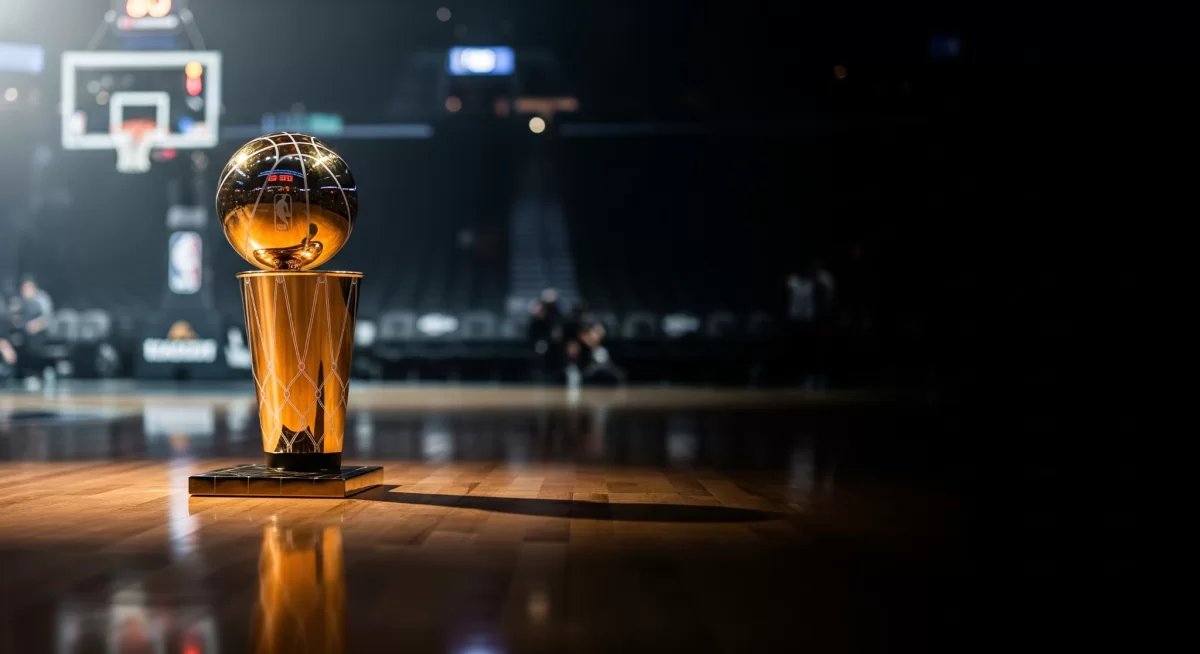
The 2026 NBA Finals run from June 3 to June 19, with every game scheduled for 8:30 p.m. ET on ABC, if the series reaches Game 7. Game 2 falls on June 5, Game 3 on June 8, Game 4 on June 10, and the possible final three games are set for June 13, June 16 and June 19. That calendar creates a compressed tactical chess match rather than a long reset period. Coaches get one film session, one walk-through, and then the next adjustment has to survive playoff pressure.
The series will not turn only on star shot-making. It will turn on who wins the pick-and-roll math, who protects the weak side without overhelping, who survives foul trouble, and who finds cleaner fourth-quarter possessions when every set has already been scouted.
Pick-and-Roll Coverage Is the First Stress Test
Every Finals series starts with a simple question: what coverage can survive repeated pick-and-rolls against elite decision-makers?
Drop defense protects the rim and keeps the big near the paint, but it opens pull-up threes and free-throw-line jumpers. Switching removes separation, but it invites switch hunting, post mismatches and offensive rebounding pressure. Blitzing the ball-handler can force turnovers, but one short-roll passer can break the floor open.
The key is not choosing one coverage. It is changing the picture before the offense gets comfortable. A team that starts in drop may need to show higher on the screen after halftime. A switching group may need to pre-switch off the ball so its weakest defender does not get dragged into the action with eight seconds left.
NBA tracking pages separate pick-and-roll ball-handler and roll-man play types, which makes this more measurable than a TV talking point. If a team’s guards are getting downhill too easily, the box score will lag behind the real problem. The first clue is usually paint touches, not points.
The Weak Side Decides Whether Help Defense Works
Finals offenses are built to punish the second defender. The first rotation may look correct. The problem arrives on the next pass.
Weak-side help has to be early enough to stop layups but disciplined enough to avoid corner-three giveaways. That is where spacing becomes a weapon. Put a non-shooter in the dunker spot, and the defense can load up. Put five credible shooters on the floor, and every help step becomes expensive.
The adjustment to watch is the low man. Does he tag the roller and recover? Does the defense rotate from the corner or from the wing? Does the center trust the nail defender to stunt, or does he retreat too early? Small details. Big swing.
The Bench Rotation Can Change the Entire Shot Profile
Finals rotations shrink, but the bench still decides leverage minutes. The second unit does not need to win its minutes by 12. It needs to avoid a 9-0 run while the first option rests.
That makes the timing of substitution tactical, not ceremonial. Coaches may stagger two creators, hide a weaker defender next to elite help, or steal two minutes with a bigger frontcourt if the opponent’s shooting slips. A bench lineup that changes the shot diet from rim attempts to contested midrange can change the live total fast.
Key adjustments to monitor:
- Pick-and-roll coverage: drop, switch, blitz or late-game hybrid.
- Matchup hunting: which defender gets targeted after every timeout.
- Weak-side help: corner concessions, nail stunts and roller tags.
- Bench minutes: whether non-star lineups survive without bleeding transition points.
- Shot profile: rim attempts, corner threes, pull-up threes and late-clock isolations.
- Foul trouble: early fouls on rim protectors or primary creators.
- Fourth-quarter usage rate: who actually handles the final five minutes.
Live Markets Move When Coaches Touch the Game
Finals basketball is a second-screen sport because timeouts, lineup changes and foul trouble can shift the series within two possessions. In-play odds often react before a casual viewer fully sees the adjustment: a small-ball lineup, a center playing higher in pick-and-roll, or a star checking back earlier than usual. During those stretches, using the Melbet Zambia app alongside live play-by-play gives bettors a cleaner read on momentum shifts and timeout patterns. The useful signal is not just the score, but why the score is moving. A 7-0 run built on transition mistakes means something different from a 7-0 run built on tough late-clock jumpers. The best live reads combine lineup context, foul count, pace and shot quality before the market fully settles.
Adjustment Table: What Changes the Game Fastest
| Adjustment | Why it matters | Betting/data signal |
| Switching more pick-and-rolls | Cuts off pull-up rhythm but creates mismatches | Isolation frequency rises, post touches increase |
| Moving from drop to show-and-recover | Disrupts ball-handlers without fully trapping | Fewer clean pull-up threes, more short-roll decisions |
| Tagging the roller from the corner | Stops rim pressure but risks corner threes | Corner 3PA and assist rate spike |
| Shortening bench rotation | Protects star minutes but raises fatigue risk | Fourth-quarter pace drops, usage rate concentrates |
| Going small late | Improves spacing and switchability | Rebound margin narrows, transition chances rise |
| Attacking a foul-troubled defender | Forces softer coverage and less rim resistance | Free-throw rate and paint touches increase |
Star Usage Is Not Just More Shots
Finals coverage often reduces star usage to volume. That misses the point. Usage rate matters most when paired with location and timing.
A star taking 28 shots is not automatically a good offense. A star creating corner threes, getting the defense into rotation and forcing the opponent’s best defender into foul trouble can control a game with fewer attempts. The better question is whether the star is touching the ball in advantage situations or receiving it late against a loaded floor.
Late-clock possessions separate design from survival
With under eight seconds on the shot clock, bad spacing gets exposed. The defense switches, loads up and dares the offense into a tough two. That is where after-timeout sets matter.
Good late-clock teams create a second option. They screen the screener, slip before contact, or move a shooter from the weak-side corner into a drift pass. Poor late-clock teams ask one scorer to solve a possession from 28 feet away.
NBA clutch and advanced stat pages help track who can maintain efficiency when possessions tighten, especially when true shooting, turnover rate and usage are viewed together rather than separately.
Transition Defense May Be the Hidden Series Lever
Half-court offense gets most of the Finals attention, but transition defense often determines whether the tactical plan gets set at all. A team cannot run its preferred coverage after a live-ball turnover. It cannot match up cleanly after a long rebound. It cannot protect a weak defender if the ball is already in the paint.
The biggest warning sign is floor balance. If both corners crash, the opponent gets runouts. If the point guard drives without a safety behind him, one blocked shot becomes a dunk at the other end. Coaches will adjust by sending fewer players to the glass, keeping a guard high, or asking wings to sprint back rather than chase tip-outs.
Fourth-Quarter Coaching Will Decide the Margins
By Games 4, 5, 6 and 7, surprises are rare. The better staff usually wins the small timing battles: when to call timeout, when to challenge, when to sit a player with four fouls, when to abandon a coverage that worked two nights earlier.
The Finals schedule gives coaches almost no room to admire a good plan. Game 2 arrives June 5, Game 3 on June 8 and Game 4 on June 10, with potential elimination games packed into the following nine days.
The adjustment that decides the series may not look dramatic. It may be one earlier timeout, one fewer help step from the corner, one extra shooter in the closing lineup, or one possession where the defense switches before the offense can hunt.

