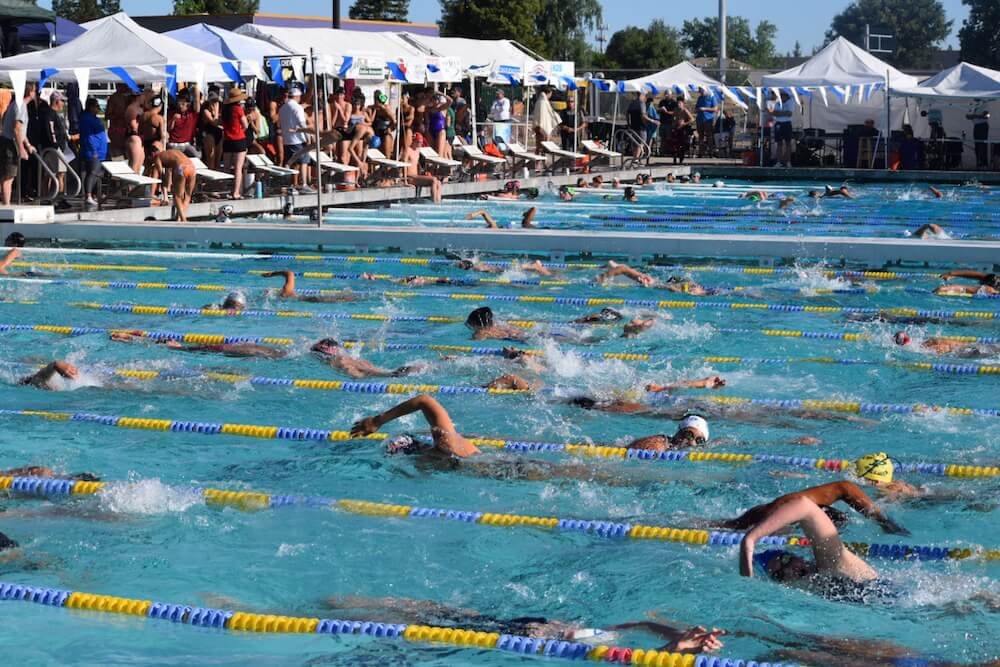
School is Out: Surviving Summer Doubles and Maximizing Your Swim Training
For many swimmers, the final school bell has rung, backpacks have been tossed aside, and summer has officially arrived. While friends are sleeping in, heading to the beach, or enjoying carefree afternoons, competitive swimmers know that summer often signals something entirely different: doubles, increased yardage, and some of the toughest training of the year.
For many, this transition can feel exciting at first. No homework means more time to recover, more time to spend with friends, and more time to focus on swimming. But after the first few weeks of early mornings and challenging practices, the reality of summer training begins to set in. Fatigue accumulates, motivation fluctuates, and swimmers quickly discover that surviving doubles requires more than simply showing up.
One of the biggest adjustments is learning how to manage energy throughout the day. During the school year, swimmers often balance academics, extracurricular activities, and training. Summer removes many of those obligations, but it also introduces a new challenge: spending multiple hours each day in the water and in the weight room.
It can be tempting between practices to fill every hour with summer activities. However, many swimmers understand that recovery is just as important as the work completed in the pool. The time between morning and afternoon practice should be treated as part of training, not separate from it. It provides a perfect opportunity to prepare for prelim and final competitions.
Nutrition also becomes especially important during summer doubles. A single practice can burn a significant amount of energy, and two demanding sessions each day place even greater demands on the body. Waiting until dinner to refuel is a recipe for fatigue. Instead, swimmers should focus on eating consistently throughout the day, prioritizing carbohydrates to replenish energy stores and protein to support muscle recovery.
Hydration is another area that often gets overlooked. Since swimmers spend their workouts surrounded by water, they may not recognize how much they are actually sweating. Add summer heat and outdoor activities into the equation, and dehydration can sneak up quickly. Keeping a water bottle nearby throughout the day and drinking consistently between practices can make a noticeable difference in performance and recovery.
Mental fatigue can be just as challenging as physical fatigue. Summer training blocks are designed to build fitness, and that process is not always glamorous. Practices may feel repetitive. Progress may seem slow. Some days, swimmers will feel amazing. Other days, simply making it through the workout feels like an accomplishment.
During these periods, it is helpful to remember the purpose behind the work. Summer training is often the foundation for success later during championship season. The endurance, strength, and mental resilience developed during long training blocks is the key to success. While the connection may not always be obvious in the moment, every practice contributes to a larger goal.
Setting small, achievable goals can help maintain motivation throughout the summer. Rather than focusing exclusively on a championship meet that may be weeks or months away, swimmers can challenge themselves to improve one aspect of practice each day. Focus on being present and giving each day your all. One day that might mean working on strong underwater kicks, it may be holding stroke technique during difficult sets, or simply bringing a positive attitude to the pool.
Perhaps most importantly, swimmers should remember that rest is productive. Sleeping in when possible, taking short naps between practices, and prioritizing recovery are not signs of laziness. They are essential components of high-level performance. The athletes who thrive during doubles are often the ones who recover as intentionally as they train.
Summer training is not easy, and it is not supposed to be. Doubles challenge swimmers physically, mentally, and emotionally. Yet those same challenges create opportunities for growth. Every challenging set, every early alarm, and every afternoon practice completed despite tired legs helps build the habits that separate good swimmers from great ones.
School may be over, but for swimmers, summer is often where the most important work begins. Embrace the process, trust the training, and remember that the effort you invest today could become the breakthrough performance you celebrate during championship season.

