The WNBA has spent the past week fielding one of the strangest challenges in its history, and it didn’t come from a rival league or a labor dispute. It came from two former NBA players who say they found a loophole in the league’s own rulebook.
Enes Kanter Freedom and Royce White both declared themselves eligible for the 2027 WNBA Draft, pointing to language in the league’s collective bargaining agreement that states only “players who are women” can compete, without ever defining what that means. Now Stephen A. Smith is calling the league out for letting that gap exist in the first place.
Advertisement
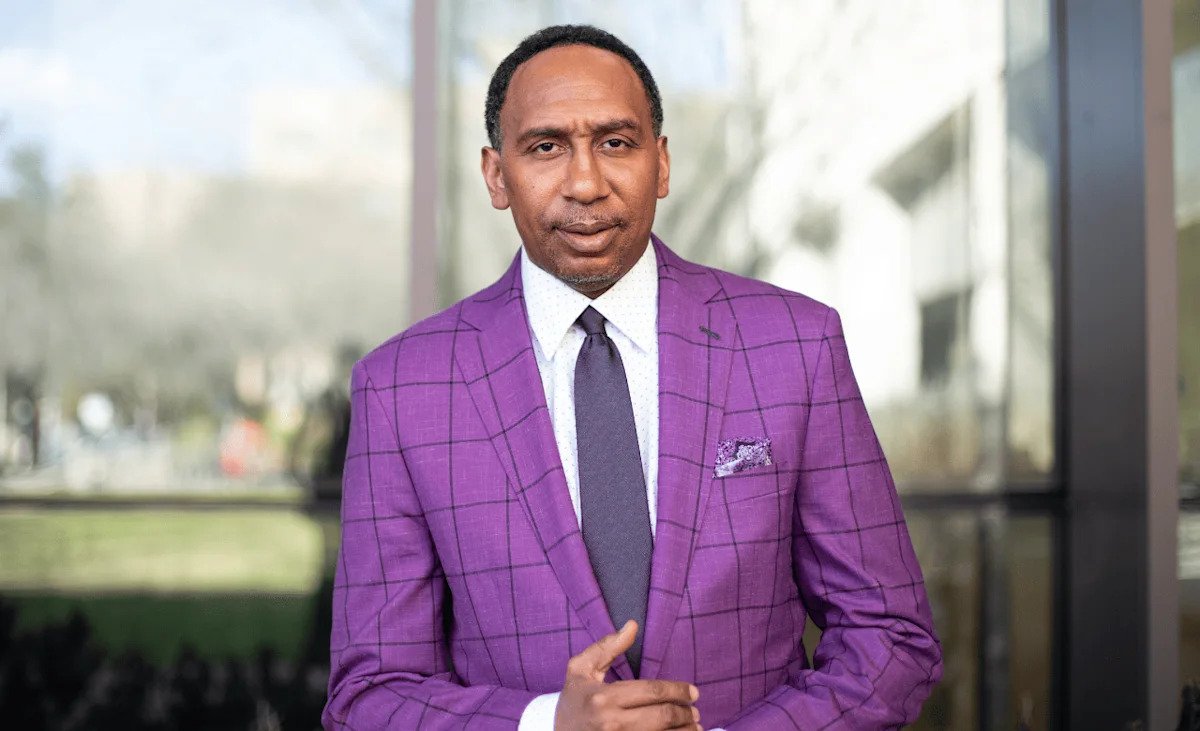
Smith didn’t hold back on his own show.
“How come you didn’t write in your language those born female? How come you didn’t make that clear?” he said. He argued the vague wording leaves the WNBA dangerously exposed. “You can deny them entry, you can refuse to draft them, but you’re going to open yourself up to potential legal action until you clarify what the hell is going on.“
That’s the core of Smith’s argument, and it’s a legal one as much as it is a cultural one. Loosely written eligibility rules aren’t just a talking point. They’re the kind of ambiguity that invites a lawsuit the moment a team actually turns someone away. Even OutKick Founder Clay Travis was impressed by Freedom’s statement.
Advertisement
Kanter Freedom didn’t frame his declaration as a joke, at least not publicly.
“I can and am officially declaring my eligibility for the upcoming WNBA Draft in April 2027,” he wrote, adding that he simply wants “the current rules be applied equally to everyone.“
White took a more mocking tone in his own comments to Fox News, saying he was “having a blast” in what he called his “feminine era.“
Smith made clear he sees a difference between mocking someone’s identity and pointing out a policy failure.
“Anybody who’s hating on them should be ashamed of themselves,” he said of people attacking transgender individuals broadly.
Advertisement
But on the specific question of competitive fairness in the WNBA, he sided with the stunt’s underlying point, calling the current setup “ridiculous” without a clearer standard in place.
Why Stephen A. Smith Says The Players Association Can’t Sit This One Out
Smith’s sharpest point may be the one that gets the least attention. Eligibility rules in the WNBA aren’t something Commissioner Cathy Engelbert can simply rewrite on her own. They’re collectively bargained, which means the Women’s National Basketball Players Association has to be part of any fix.
“Player eligibility is collectively bargained,” Smith said. “This is also an issue involving the WNBA Players Association, not simply a unilateral decision for the commissioner.“
Advertisement
Engelbert has already sent a memo to team presidents calling the topic “complex and nuanced,” and a previously scheduled task force meeting has now absorbed the eligibility question. The WNBPA, for its part, released a statement saying the league “will not be used as political pawns.“
Golden State Valkyries coach Natalie Nakase has voiced support for inclusion, and Valkyries forward Gabby Williams said she’d “welcome a trans athlete on my team or against my team.” The WNBA’s own statement leaned the same direction, warning that “hate, abuse, and demonization of any person or group of people” only causes harm.
That split is exactly why Smith thinks the league can’t stall much longer. Vague language works fine until someone decides to test it, and now two someones already have. The task force meeting this week won’t settle the debate on its own, but it will show whether the WNBA and its players association can actually agree on a definition before the next person tries to exploit the gap between the rule and the reality.

